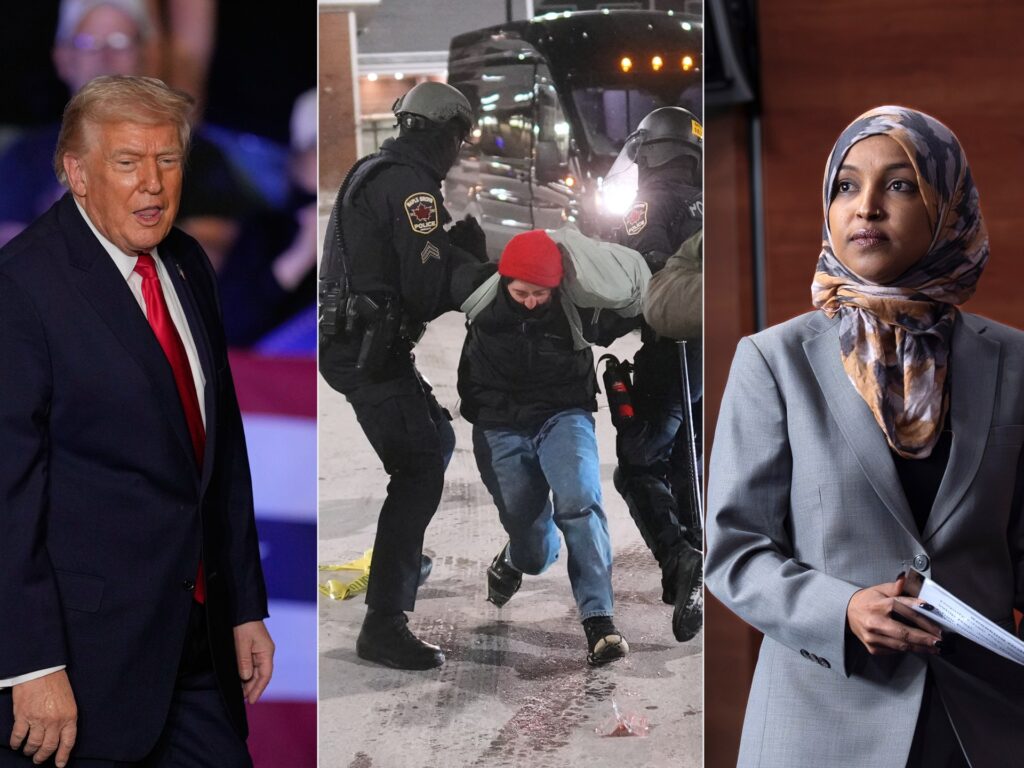
The political landscape around Minnesota has been a focal point in recent years, particularly marked by the contentious narratives involving former President Donald Trump, Congresswoman Ilhan Omar, and the Somali-American community. This unfolding situation presents a complex mix of immigration policy, racial and ethnic identity politics, and national security concerns, attracting intense media and public attention.
At the heart of this discourse is Ilhan Omar, a Somali-American congresswoman representing Minnesota’s 5th congressional district. Omar’s election to Congress symbolized a historic milestone, being one of the first Muslim women and the first Somali-American to serve in the U.S. House of Representatives. Her presence has ignited robust dialogues on immigration, refugee resettlement, and cultural diversity, reflecting the significant Somali diaspora in Minnesota.
However, Omar’s political journey has not been without challenges. Recently, amid a neighborhood event where she was engaging with constituents, an incident occurred where she was sprayed with an unidentified liquid. While the motive and perpetrator remain unknown, the act highlighted the ongoing tensions and polarized climate surrounding her political career.
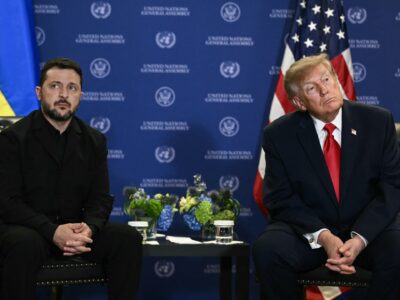
This tension is partly fueled by former President Donald Trump’s outspoken stance on immigration and his frequent references to Minnesota, notably targeting Somali communities and Ilhan Omar during his campaigns and presidency. Trump’s rhetoric often framed the Somali immigrant population in Minnesota as a challenge to law enforcement and community safety, aligning with his broader immigration policies advocating strict border controls and enforcement measures.
The role of U.S. Immigration and Customs Enforcement (ICE) has been particularly scrutinized in this context. ICE’s operations in Minnesota have been controversial, affecting many in the Somali community, with critics alleging that aggressive enforcement disproportionately targets Muslim and immigrant populations, exacerbating fears and community divisions.
Minnesota’s Somali population illustrates the broader American immigrant experience, encompassing issues of integration, identity, and civic participation. The intersection of Omar’s political influence, the community’s socio-economic dynamics, and the federal government’s immigration enforcement policies encapsulates the complexity of national immigration debates.
Experts note that Trump’s focus on Minnesota and the Somali community serves multiple political purposes: energizing his base with strong anti-immigration messages, diverting attention from other national issues, and capitalizing on local tensions for political gain. Simultaneously, critics argue that such targeted rhetoric undermines community cohesion and fosters discrimination.
Community leaders in Minnesota continue to advocate for inclusive policies, emphasizing the contributions of Somali-Americans to Minnesota’s economy, culture, and public life. They urge for a balanced approach that ensures security without marginalizing immigrant communities.
The incident involving Ilhan Omar being sprayed with an unknown liquid underscores the volatile environment at the intersection of politics, identity, and public safety. While investigations proceed, this event serves as a stark reminder of the stakes involved in the ongoing dialogue about immigration and multiculturalism in the United States.
As the national conversation continues, Minnesota remains a microcosm of broader American challenges—how to balance security, diversity, and inclusion in a changing society. The interactions among ICE policies, political figures like Omar, and the Somali community will likely continue to shape public discourse and policy decisions in the foreseeable future.