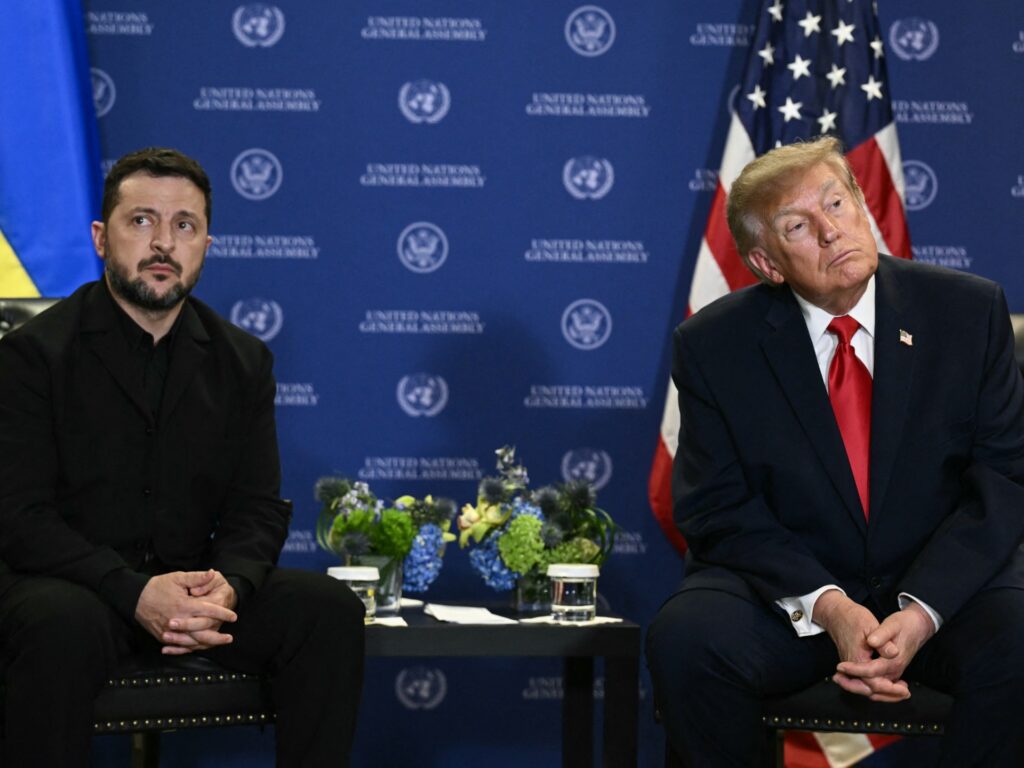
Recent developments have cast a shadow over the US-Ukraine relationship as former US President Donald Trump and Ukrainian President Volodymyr Zelenskyy engaged in a public dispute regarding negotiations and arms shipments. The disagreement highlights growing tensions and differing views on the conduct and progress of diplomatic talks.
Donald Trump, known for his outspoken nature, has called for President Zelenskyy to be replaced as Ukraine’s chief negotiator in ongoing peace talks. Trump criticized Zelenskyy’s approach and alleged ineffective handling of negotiations, stating that a new representative could better advance Ukraine’s interests in talks with Russia. This blunt call for leadership change has drawn attention and concern from international observers about stability and consistency in Ukraine’s diplomatic efforts.
In response, President Zelenskyy addressed the issue by highlighting delays in arms shipments to Ukraine from its Western allies, including the United States. Zelenskyy emphasized the critical need for timely military support amidst ongoing conflict and suggested that the delays have hindered Ukraine’s ability to defend itself effectively. He pointed to bureaucratic hurdles and logistical challenges as reasons behind the slow delivery of arms, urging for greater cooperation and urgency.
Experts view the discord as reflective of the broader complexities in US-Ukraine relations, which have been shaped by geopolitical interests, military aid dynamics, and internal political considerations in both countries. While the US remains a crucial ally to Ukraine, these public disagreements risk undermining the trust and unity needed to confront shared challenges.
Analysts also note that the clash comes at a sensitive time as Ukraine continues to navigate its conflict with Russia, relying heavily on Western support for resources and diplomatic backing. Any perceived instability or rift between Kyiv and Washington could potentially impact Ukraine’s strategic position and international support.
Diplomatic circles are calling for a swift resolution to the disagreements to maintain a strong partnership. Both leaders, despite their differences, recognize the importance of cooperation in addressing security concerns and advancing Ukraine’s sovereignty and territorial integrity.
In summary, the recent spat between Trump and Zelenskyy over negotiation strategies and arms shipments exposes cracks in an otherwise critical alliance. It underlines the challenges of balancing internal politics and external pressures in managing international relationships amid conflict. Moving forward, the focus will likely be on repairing dialogue, ensuring effective military support, and sustaining united efforts against common threats.