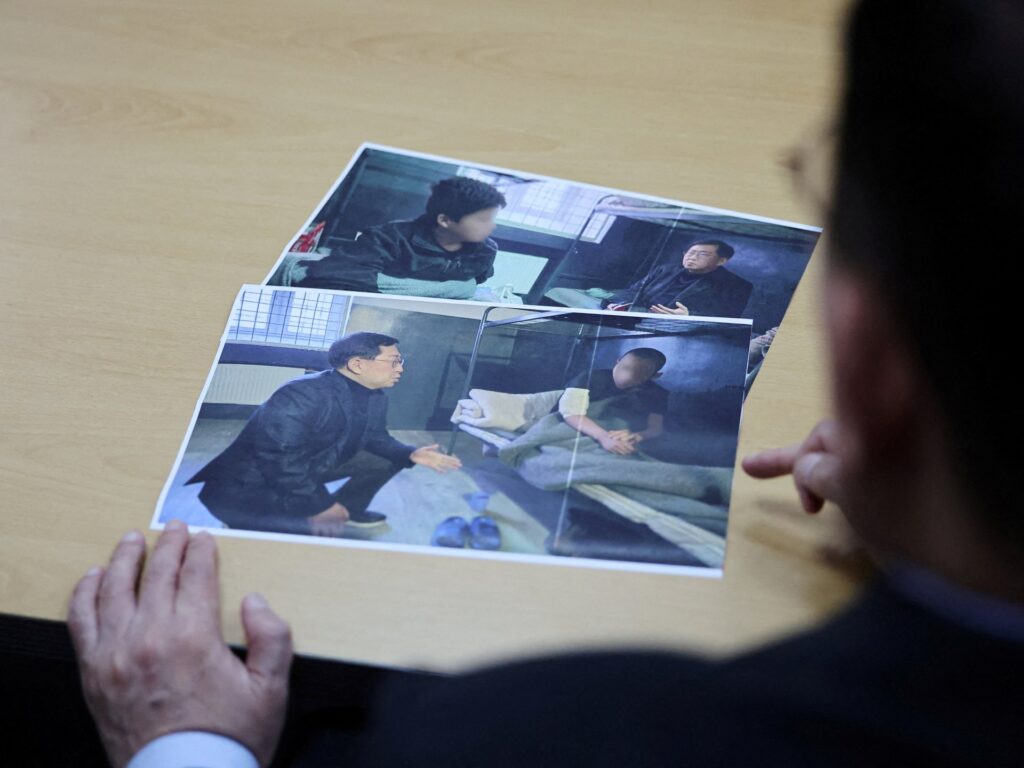
South Korea is escalating its diplomatic response to recent tensions with Ukraine by deciding to withdraw additional embassy staff from Kyiv. This move follows a highly sensitive prisoner of war (POW) transfer issue that heightened diplomatic strains between the two countries.
Earlier this month, South Korea took the significant step of recalling its ambassador from Ukraine’s capital. The recall was prompted after Ukrainian President Volodymyr Zelenskyy publicly disclosed details regarding the transfer of prisoners of war which South Korea found troubling.
The announcement drew strong reactions from Seoul, concerned about the handling and implications of the POW exchange. South Korea’s government viewed the disclosure as a breach of trust and transparency that undermined their diplomatic relations.
This recent decision to pull more staff is seen as a deepening of South Korea’s diplomatic caution, signaling serious displeasure and a demand for accountability from Ukrainian authorities.
South Korea’s Ministry of Foreign Affairs has stated that the additional withdrawal of embassy personnel is intended to reassess and reprioritize diplomatic activities given the current challenges. Official statements from Seoul emphasize the need for maintaining international norms around the treatment and transfer of POWs.
Internationally, the POW matter has brought attention to the fragile diplomatic landscape amid ongoing conflict in the region. South Korea, which has interests in promoting stability and peace, now finds itself navigating a complex situation that affects not only bilateral ties with Ukraine but also broader geopolitical considerations.
Diplomatic experts suggest that South Korea’s firm stance might prompt a re-evaluation of security and cooperation policies with Ukraine. The ongoing situation underscores the sensitive nature of diplomatic relations during conflicts and the critical importance of trust and protocol.
In the meantime, South Korea’s government is closely monitoring developments, prepared to adjust its diplomatic posture as necessary. The decision to scale back embassy staff is also seen as a precautionary measure to safeguard its nationals and ensure effective management of consular affairs amid uncertainties.
The evolution of South Korea-Ukraine relations will be watched closely by international observers, as this incident may have ripple effects on alliances and diplomatic strategies across the region.
This episode serves as a reminder of the delicate balance required in international diplomacy, especially under the pressures of war and humanitarian issues. South Korea’s actions reflect a commitment to uphold sovereign interests and seek clarity and respect in international dealings.
As the situation develops, further communications from both governments will be crucial in determining the future course of their bilateral relationship. For now, the reduction of embassy personnel in Kyiv marks a notable downturn in diplomatic engagement triggered by the contentious POW transfer revelation.