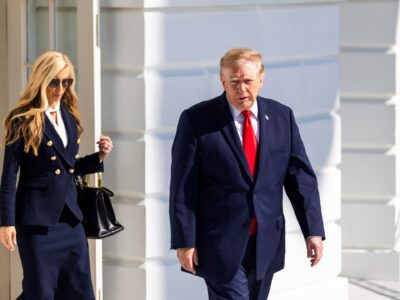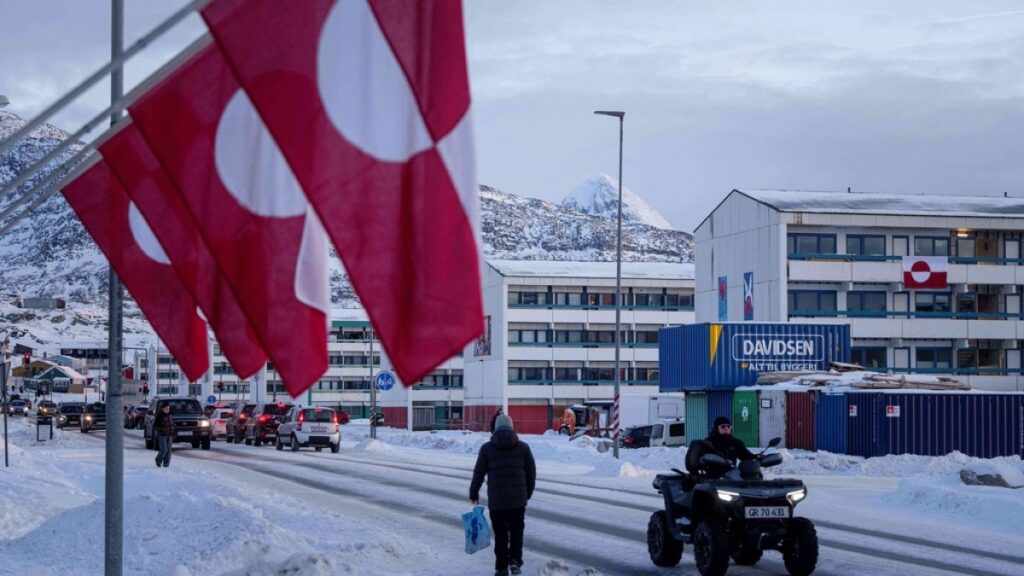
In a striking development following recent diplomatic discussions, Greenland and Denmark have publicly stated that former U.S. President Donald Trump appeared determined to pursue the acquisition of Greenland, portraying it as an intention to ‘conquer’ the territory. This revelation came after meetings between Danish representatives and the Trump administration, highlighting the firm stance held by the United States on this matter.
Danish Foreign Minister Jeppe Kofod Rasmussen addressed the issue directly, confirming that despite their efforts during talks, the U.S. position remained unchanged. “Our meeting with the Trump administration did not succeed in persuading them to reconsider their approach,” Rasmussen said. This acknowledgment reflects the complexity and sensitivity of the situation, as Greenland is an autonomous Danish territory with significant strategic importance.
The idea of the U.S. acquiring Greenland surfaced during Trump’s presidency, stirring considerable international attention and debate. Greenland’s geographical position and natural resources make it an attractive asset for geopolitical and economic reasons. However, the proposition faced resistance from both Danish officials and Greenlandic leaders, who emphasized the importance of sovereignty and self-determination.
Officials from Greenland voiced their concerns about potential consequences of such a territorial acquisition, including possible disruptions to the population’s identity and political status. The Danish government reiterated its commitment to safeguarding its relationship with Greenland and advocated for continued respect of the territory’s autonomy.
This episode sheds light on broader issues regarding territorial sovereignty and international diplomacy. The assertion that Trump was intent on ‘conquering’ Greenland reflects a more aggressive pursuit than typical diplomatic negotiations, raising questions about the limits and methods of modern geopolitical strategies.
Following the meetings, both Greenland and Denmark are reportedly increasing their diplomatic engagements to ensure their interests are protected and to clarify their stance on sovereignty in the face of external pressures. The situation underscores the delicate balance in U.S.-European relations and the enduring significance of territorial integrity in global politics.
Observers note that while the U.S. government traditionally maintains strong bilateral relations with Denmark, this incident marks a notable tension point. The implications also extend to international law norms governing territorial acquisition and sovereignty.
Going forward, Greenland’s autonomy and Denmark’s role in representing its interests on the world stage continue to be pivotal. How this situation evolves will likely influence future diplomatic protocols and strategies regarding contentious territorial issues.
In summary, the interactions between Greenland, Denmark, and the Trump administration reveal a dramatic chapter in territorial diplomacy, emphasizing the need for careful negotiation and respect for established sovereignties in an increasingly complex global landscape.