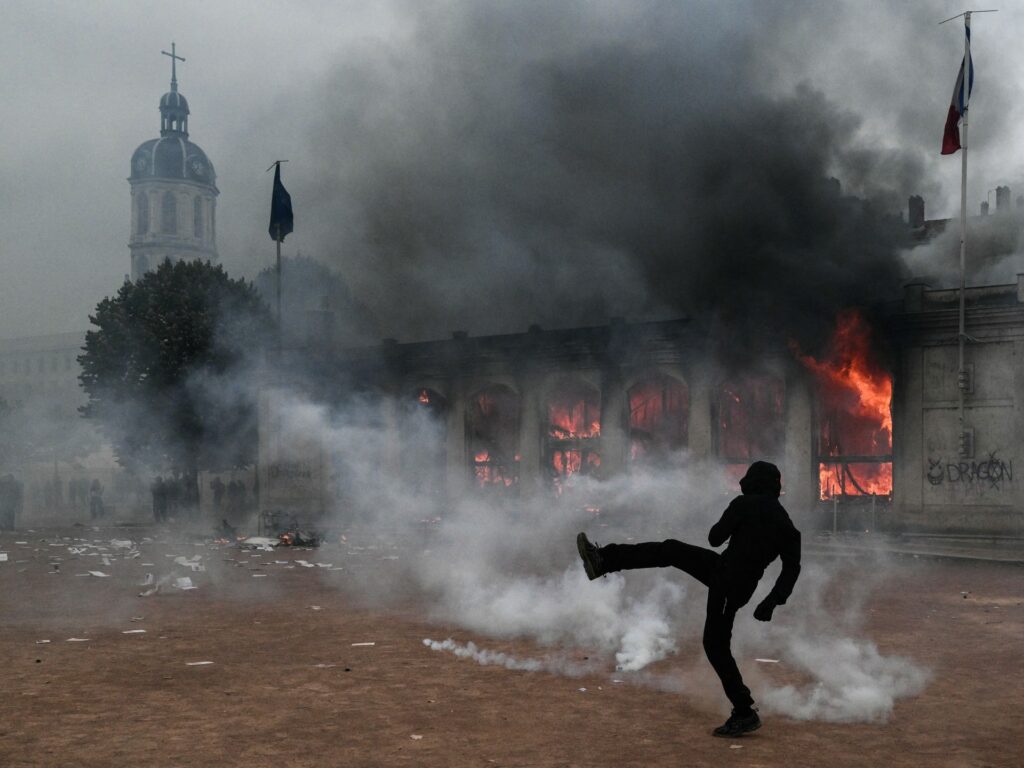
France witnessed widespread demonstrations across multiple cities, including the capital Paris, where thousands took to the streets to protest the escalating cost of living. The protests, which have gained momentum over recent weeks, highlight the growing frustration among citizens who are feeling the pinch of inflation, increased energy prices, and stagnant wages.
In Paris, the largest demonstrations saw passionate crowds demanding urgent action from the government. Protesters clashed with police in several instances, resulting in tense standoffs and occasional use of tear gas by law enforcement officers to disperse the crowds. Despite these confrontations, the demonstrators remained resolute, emphasizing the critical need for economic reforms.
Similar scenes unfolded in cities such as Lyon, Marseille, and Toulouse, where local populations echoed the demands made in the capital. Many protesters called for measures like caps on energy prices, better social welfare support, and policies aimed at reducing inequality.
The rising cost of living in France has been driven by a complex mix of factors, including the aftermath of the COVID-19 pandemic, global supply chain disruptions, and the ongoing conflict in Ukraine, which has impacted energy supplies and food prices. These issues have combined to create an environment where everyday expenses have surged beyond the reach of many households.
The government has acknowledged the challenges and proposed several initiatives, including subsidies and tax reliefs, but for many citizens, these measures have not been sufficient to alleviate immediate financial pressures. Unions and opposition groups have mobilized large segments of the population to participate in the demonstrations, amplifying the call for more comprehensive and effective responses.
Experts warn that if the underlying economic issues are not addressed sustainably, social unrest could intensify, potentially destabilizing the political landscape. In response, political leaders are facing increasing pressure to engage in dialogue with civil society and develop long-term strategies focused on economic equity and social justice.
The ongoing protests in France symbolize broader global concerns about the impact of economic instability on ordinary people. As countries grapple with inflation and socio-economic disparities, the situation in France serves as a potent reminder of the urgent need for policies that protect vulnerable communities and ensure a fair distribution of resources.
Observers worldwide are closely monitoring the developments in France, recognizing that the outcome of these protests could influence similar movements elsewhere and set precedents for government responses to economic crises. The events underscore the importance of balancing economic policy with social cohesion to maintain peace and stability.
As the demonstrations continue, conversations around cost of living, wage growth, and social welfare reforms remain at the forefront of public discourse. The French populace is united in its demand for meaningful change, seeking a future where economic security and dignity are accessible to all.