In a significant and highly debated move on the international stage, the US Energy Secretary has arrived in La Guaira, Venezuela, to participate in the signing of a major oil agreement. This deal is poised to grant substantial control over Venezuela’s vast oil reserves, a development likely to have far-reaching implications for the global energy market and geopolitical landscape.
The visit marks a rare moment of cooperation between the United States and Venezuela, two countries that have experienced strained relations over recent years. The agreement aims to regulate the extraction and management of one of the largest oil reserve pools in the world, which has traditionally been under Venezuelan government control.
Officials from both countries present at the signing emphasized the potential benefits of this partnership, highlighting improved energy security and possible economic revitalization for Venezuela amid ongoing economic struggles. The deal reportedly includes aspects of revenue sharing, investment in oil infrastructure, and a framework for sustainable extraction practices.
Despite the positive outlook presented by officials, the deal has sparked controversy and criticism from various international observers and political figures. Concerns center on sovereignty issues, the environmental impact of increased oil extraction, and the geopolitical consequences of increased US influence in Venezuela’s energy sector.
Environmental groups fear that intensified exploitation of Venezuela’s oil reserves could exacerbate environmental degradation in the region, which is already vulnerable due to deforestation and habitat loss. They call for stringent environmental safeguards to be integrated into the agreement.
On the political front, some analysts warn that this move might deepen tensions with other global powers that have vested interests in Venezuela and its resources, potentially leading to further instability in the region.
For Venezuela, the agreement could provide a crucial influx of foreign investment and technology, potentially revitalizing its struggling oil industry, which has seen declining output in recent years due to mismanagement and sanctions.
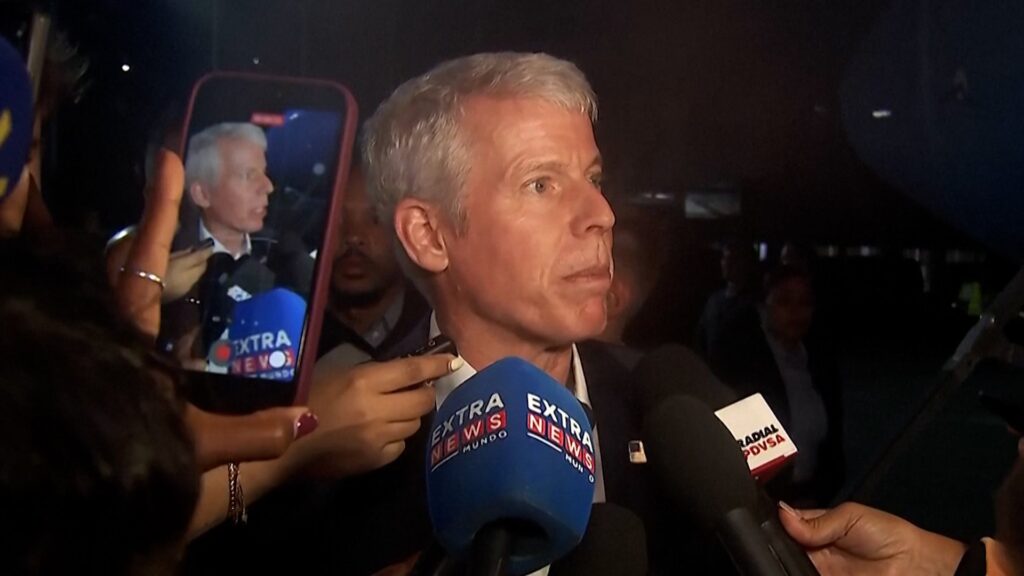
The US Energy Secretary, during a press briefing in La Guaira, stressed the importance of this engagement as a step forward in fostering mutual economic interests and energy cooperation, despite the complexities involved.
The agreement is expected to be closely monitored by international markets, with investors keenly watching how this partnership may influence oil prices and supply chains globally.
This landmark signing represents a pivotal moment in US-Venezuela relations, signaling potential shifts in energy diplomacy and economic strategy for both nations in the coming years. The full effects of the deal will unfold as implementations progress and stakeholders navigate the challenging dynamics of international energy politics.