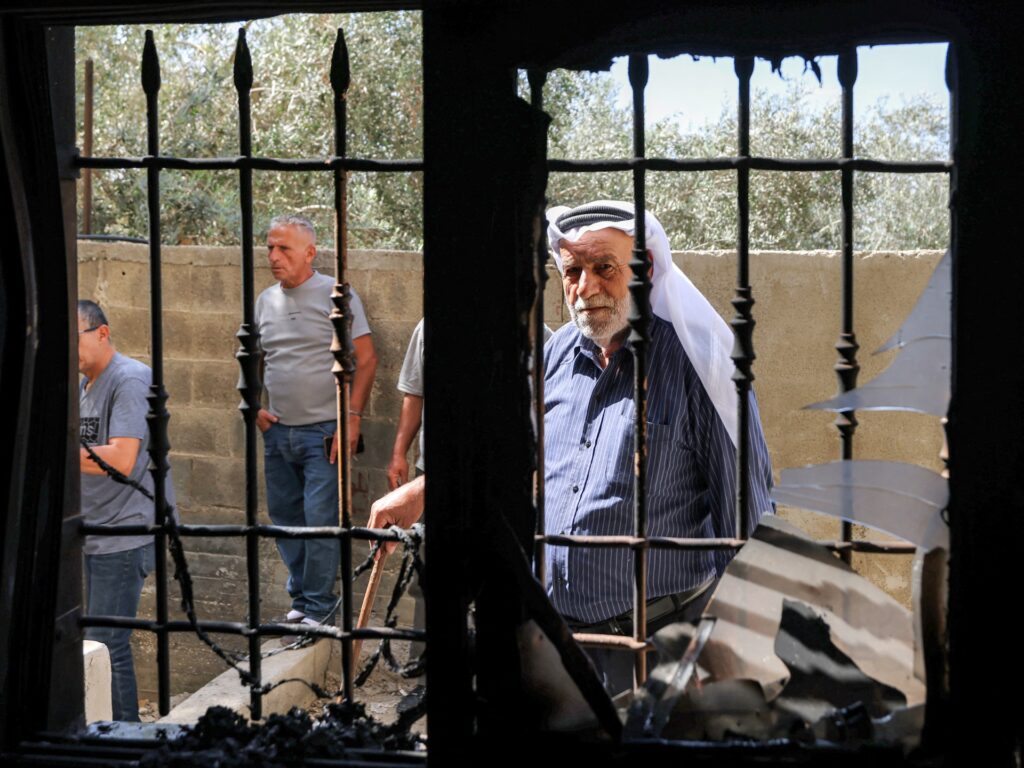
In the West Bank, a significant rise in Israeli attacks on mosques has led to unrest among worshippers and condemnation from Palestinian authorities. This year alone, Israeli forces and settlers have reportedly violated 13 mosques across the region, fueling tensions in an already volatile area.
One recent incident involved the use of tear gas against worshippers inside a mosque, a stark demonstration of the escalating confrontations. Witnesses described scenes of panic and chaos as tear gas canisters were deployed during prayers, forcing many to flee or seek medical attention.
Palestinian officials have strongly denounced these actions, labeling them as violations of religious sanctity and international law. They argue that such incursions not only target the places of worship but also aim to intimidate and displace Palestinian communities in the West Bank.
The surge in attacks comes amid heightened political tensions and ongoing disputes over land and sovereignty in the region. Mosques, regarded as sacred and central to the social and religious life of Palestinians, have increasingly become flashpoints.
Human rights organizations have called for international intervention and monitoring to halt the violence and ensure the protection of religious sites. They emphasize the need for dialogue and respect for religious freedoms to prevent further escalation.
The Israeli authorities, meanwhile, have often cited security concerns in their operations. However, the frequency and nature of these attacks have drawn criticism from various international observers and human rights advocates who view them as disproportionate and provocative.
As the situation unfolds, the impact on the local communities remains profound. Many worshippers express fear and frustration, feeling their rights and dignity are under threat. Religious leaders have appealed for calm and urged the international community to take a stand against the violations.
The West Bank remains a focal point of conflict, and the recent surge in attacks on mosques underscores the fragile and contested nature of the region. The preservation of religious sites and respect for freedom of worship are critical components of any long-term peace efforts.
Observers stress that addressing the root causes of the conflict and ensuring the protection of all communities’ rights are essential to achieving stability. Without concerted action, the cycle of violence and retaliation is likely to continue, further complicating prospects for peace in the West Bank.