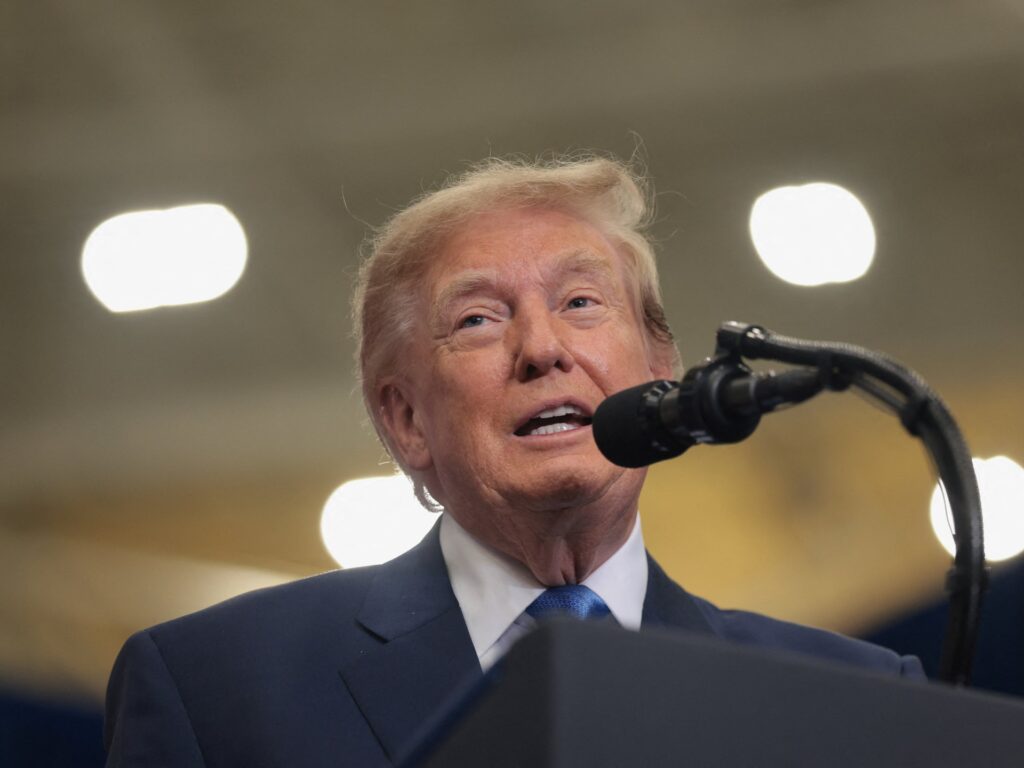
In a recent ruling, a US judge denied an injunction that sought to block former President Donald Trump’s new executive order concerning birthright citizenship. This order aimed to redefine the conditions under which individuals born in the United States could claim citizenship, a topic that has spurred extensive legal and public debate.
The judge’s decision marks a temporary setback for immigrant rights advocates who have been actively challenging the order. These groups argue that restricting birthright citizenship undermines constitutional guarantees and threatens the rights of children born on US soil to immigrant parents.
The injunction was an attempt to immediately halt enforcement of the order while the case proceeds through the courts. Its denial means the executive order will remain in effect for the time being, allowing the government to continue implementing the new policy.
Immigrant rights groups have been instructed to revise their petition in hopes of fortifying their legal challenge. They maintain that birthright citizenship is protected under the 14th Amendment to the US Constitution, which states that all persons born in the United States and subject to its jurisdiction are citizens.
Legal experts suggest that the case could ultimately be decided by higher courts, possibly even the Supreme Court, due to its significant constitutional implications. The ruling emphasizes the judiciary’s critical role in addressing contentious immigration policies.
The ongoing dispute highlights the complex intersection of immigration policy, constitutional law, and political agendas. Supporters of the order argue that it addresses illegal immigration and national security concerns, while opponents cite humanitarian and legal grounds to preserve existing citizenship rights.
As the revised petition is prepared, the national conversation around birthright citizenship and immigration reform is expected to intensify. The decision also signals the importance of careful legal strategy in challenging executive actions on contentious issues.
In summary, while the judge’s denial of the injunction allows the birthright citizenship order to stand temporarily, the legal battle is far from over. Advocates are regrouping to challenge the order through revised legal arguments, underscoring the ongoing debate about the future of immigration and citizenship in the United States.