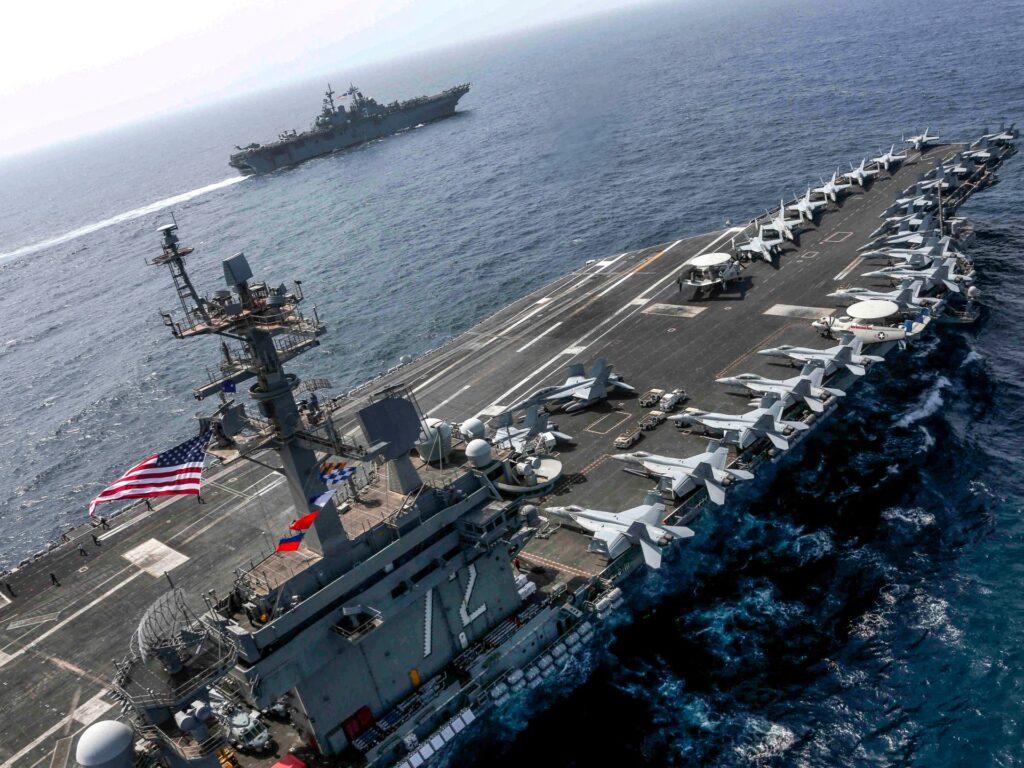
Recent reports detailing the USS Lincoln’s struggles have brought to light significant challenges faced by the US Navy in sustaining prolonged military operations against Iran. Experts emphasize that the dire conditions aboard the vessel underscore broader issues related to supply chain management, operational readiness, and strategic planning.
The USS Lincoln, a prominent aircraft carrier in the US fleet, reportedly encountered severe logistical hurdles, including shortages of essential supplies and critical maintenance delays. These challenges raise fundamental questions about the Navy’s capacity to maintain extended deployments without robust support infrastructure.
Military analysts note that the supply challenges observed on the USS Lincoln are not isolated incidents but indicative of systemic limitations within the Navy’s current operational framework. Prolonged engagements, such as a potential conflict with Iran, would stretch resources thin, compromising combat effectiveness and crew welfare.
Experts argue that the Navy’s existing plans may not fully account for the complexities of sustaining high-tempo operations in contested environments. The intricate nature of modern naval warfare demands seamless supply chains, rapid repair capabilities, and resilient support networks that can withstand protracted pressure.
Additionally, there are concerns about the impact of these logistical shortcomings on morale and mission success. Crew members facing shortages and tough conditions may experience diminished readiness and increased stress, factors that could influence operational outcomes in high-stakes scenarios.
Strategic planners are urged to revisit and enhance supply strategies, focusing on flexibility and redundancy to mitigate risks revealed by the USS Lincoln’s experience. This includes expanding overseas bases, pre-positioning supplies, and leveraging allied support to reinforce sustainment capabilities.
The situation also calls for investment in advanced technologies that can automate resupply operations and improve real-time logistics tracking. Enhancing the Navy’s ability to respond quickly to emerging needs aboard ships during deployment is critical.
Moreover, the broader geopolitical context adds layers of complexity. Operating in proximity to Iran involves navigating contested waters with potential hostile engagements, requiring the Navy to be nimble and robust under pressure.
Experts caution that without addressing these structural and logistical challenges decisively, the Navy risks undermining its strategic objectives. The USS Lincoln’s experience serves as a cautionary tale highlighting the need for comprehensive preparedness in confronting protracted conflicts.
In conclusion, the USS Lincoln’s reported struggles spotlight systemic issues that may limit the US Navy’s effectiveness in prolonged warfare with Iran. Addressing supply chain vulnerabilities, enhancing operational planning, and bolstering support infrastructure are critical steps in ensuring sustained naval dominance and mission success in complex theaters.
This episode serves as an urgent reminder of the demands modern naval warfare imposes and the imperative for the US Navy to adapt swiftly to evolving challenges in pursuit of national security objectives.