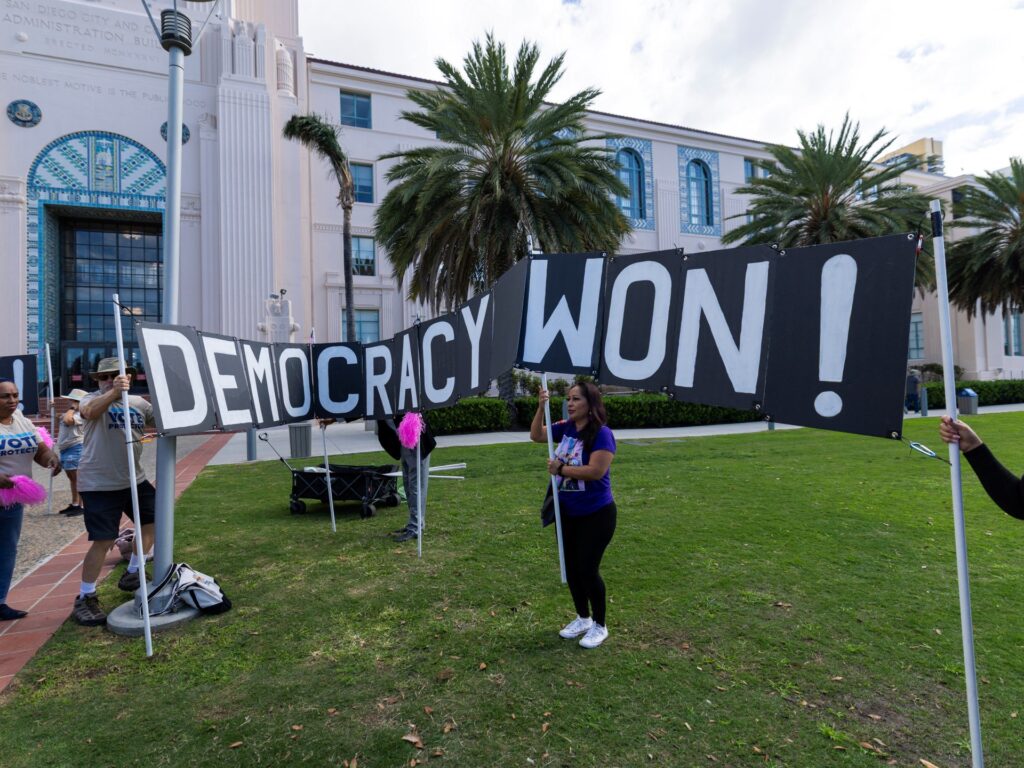
The recent US midterm elections have significant implications for the ongoing conflicts in Iran, Gaza, and Ukraine. Despite notable wins by the Democratic Party, they fell short of securing the two-thirds majority required to override a presidential veto, potentially limiting their legislative power.
In the context of Iran, the US government faces challenges in shaping foreign policy and implementing sanctions or diplomatic efforts. A divided Congress means that passing robust measures to address Iran’s nuclear ambitions or regional activities will require bipartisan cooperation, which may be difficult given the political landscape.
Regarding Gaza, US support and intervention strategies could be affected by the election results. The inability to advance legislation without overcoming a presidential veto indicates potential hurdles in authorizing aid packages or peace initiatives, which often require strong bipartisan support to be effective.
The conflict in Ukraine remains a critical area of focus for US foreign policy. Congressional decisions on military aid and sanctions against aggressors depend heavily on the makeup of legislative bodies. With Democrats lacking a supermajority, comprehensive support packages might face obstacles, influencing the US’s role in sustaining Ukraine’s defense efforts.
The election outcomes highlight the complex interplay between domestic politics and international conflict resolution. While victories by the Democrats bolster their influence, the lack of an overriding majority necessitates negotiation and compromise with Republican counterparts to address these global issues effectively.
In summary, the US midterm election results underscore a period of cautious policymaking and the need for bipartisan consensus. This dynamic will shape the nation’s approach to Iran’s regional activities, the humanitarian and political challenges in Gaza, and continued support for Ukraine amid ongoing conflict.
The geopolitical stakes remain high, with the US playing a pivotal role in these international theaters. The balance of power in Congress represents both challenges and opportunities for advancing peace and security in these regions. Policymakers must navigate this landscape carefully to achieve meaningful outcomes in these critical conflicts.