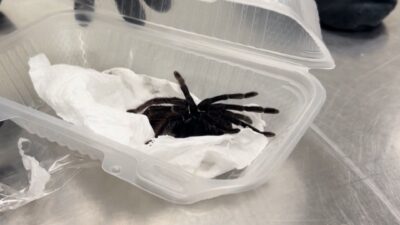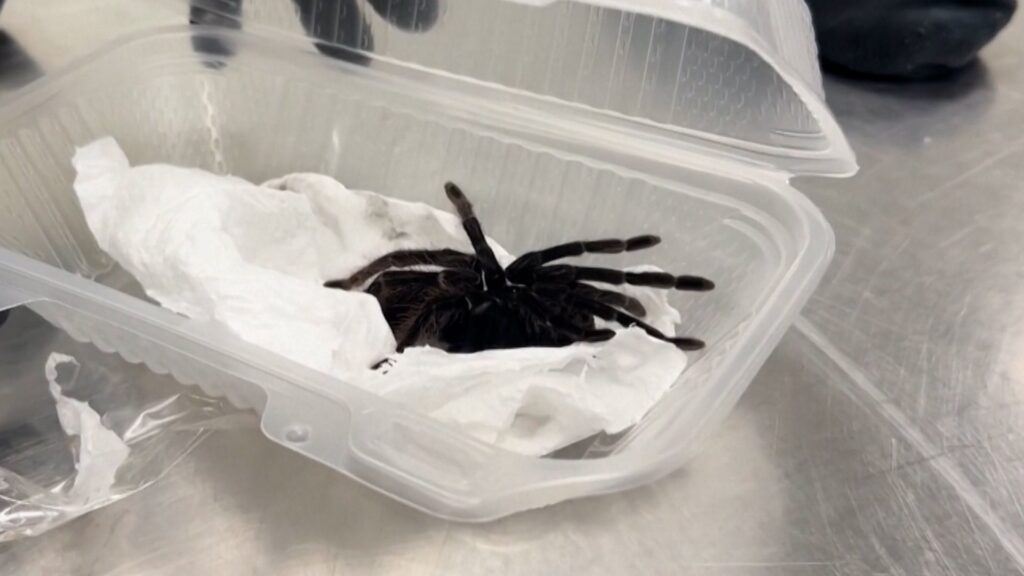
In a startling and unusual smuggling case, authorities at a Peruvian airport intercepted a shipment containing approximately 3,000 tarantulas hidden within luggage. The incident has caught the attention of customs officials and wildlife conservationists alike due to the sheer volume of these exotic spiders being trafficked.
The seizure took place during a routine luggage inspection at a major international airport in Peru. Airport security personnel discovered the tarantulas concealed in several suitcases, each packed with dozens of the spiders, suggesting a highly organized effort to transport them undetected.
Officials immediately alerted wildlife protection agencies, as the smuggling of exotic animals often violates international laws and treaties designed to protect endangered species and prevent illegal trade. The tarantulas, which belong to various species, are often prized by collectors and enthusiasts around the world, making them a lucrative target for traffickers.
This case highlights the ongoing challenges faced by airports and customs authorities in combating wildlife trafficking. The illegal trade in exotic pets and animals not only threatens biodiversity but also poses risks to ecosystems and public health.
Authorities are currently conducting further investigations to trace the origins of the smuggled tarantulas and determine the intended destination. It is suspected that the spiders were being transported for sale in the exotic pet market, which remains a hotbed for illegal wildlife trade.
Conservationists are urging stricter regulations and enhanced inspection protocols at airports to prevent such incidents. They emphasize the importance of international cooperation in tracking and curbing wildlife trafficking networks.
The smuggling attempt underscores the need for increased awareness among travelers and the general public regarding the consequences of illegal wildlife trade. Authorities encourage people to report any suspicious activities related to animal smuggling to help protect vulnerable species.
The confiscated tarantulas were safely relocated to a wildlife rescue center where experts will ensure their proper care and rehabilitation. This action serves as a reminder of the delicate balance between human activities and wildlife conservation efforts.
As investigations continue, law enforcement agencies are working to dismantle the networks behind this and similar smuggling attempts, aiming to bring those responsible to justice and safeguard Peru’s rich biodiversity.