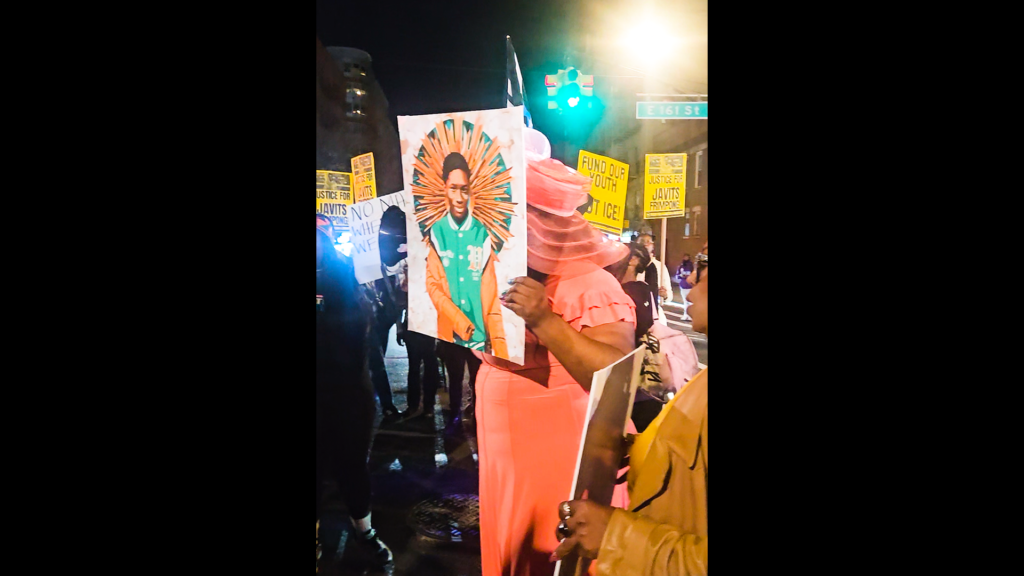
In a powerful demonstration of solidarity and demand for justice, thousands of New Yorkers took to the streets to rally against gun violence after the tragic killing of Javits Frimpong, a Ghanaian teenager fatally shot in the Bronx last month. The march highlighted the ongoing crisis of gun-related violence that affects communities across New York City and beyond, amplifying calls for urgent policy changes and increased community support.
Javits Frimpong, a promising young boy from Ghana, became the latest victim in a series of violent incidents that have shaken the Bronx community. His death has sparked outrage, grief, and a renewed push for justice both locally and internationally, with activists emphasizing the need to address systemic issues contributing to the prevalence of firearms and violent crime.
The rally attracted a diverse group of participants, including community leaders, activists, family members of victims, and city officials, all united by the shared goal of ending gun violence. Marchers carried signs bearing Javits’s name and phrases demanding safer neighborhoods, stricter gun control laws, and greater accountability for those who perpetuate violence.
Speakers at the event called for comprehensive reform, including enhanced background checks, restrictions on firearm access, increased funding for mental health services, and investment in youth programs aimed at preventing crime and promoting peace. They stressed the importance of community engagement, education, and police reform as integral components of a holistic approach to combating gun violence.
The killing of Javits Frimpong has also drawn attention to the particular vulnerabilities faced by immigrant communities and youth of color, who are disproportionately affected by gun violence in urban areas. Advocates underscored the need for culturally competent support systems and inclusive policies that address the root causes of violence, such as poverty, unemployment, and lack of access to education.
Mayor and local leaders expressed condolences to Javits’s family and pledged to intensify efforts to curb gun violence through collaborative strategies involving law enforcement, community organizations, and policymakers. They acknowledged the complexity of the issue and the necessity for sustained commitment from all sectors of society.
The march serves as a poignant reminder of the human cost of gun violence and the collective responsibility to create safer environments for future generations. As the city reflects on the loss of Javits Frimpong, it also galvanizes a broader movement dedicated to peace, justice, and protection of human life.
This event represents more than a protest—it is a call to action to reform gun laws, support victims’ families, and foster a culture where every individual can live without fear of violence. The legacy of Javits Frimpong, though tragically cut short, continues to inspire hope and determination among New Yorkers and beyond to build a safer, more just society.