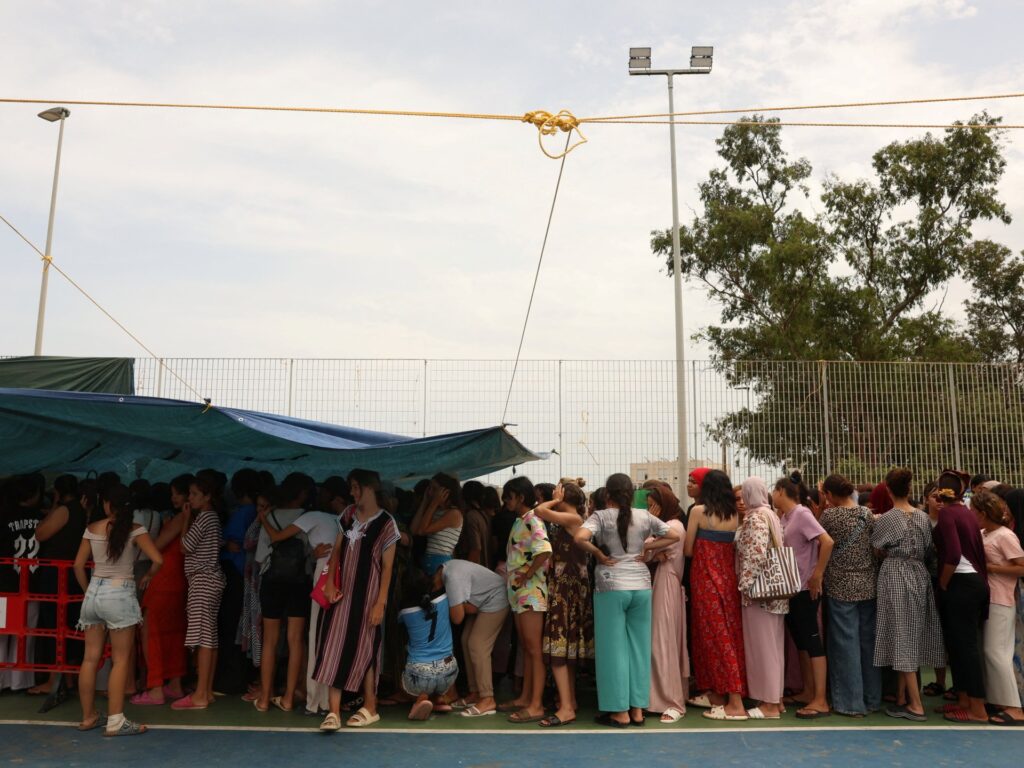
Spain is preparing to transfer approximately 500 migrant children from the autonomous Spanish city of Ceuta to the mainland. This move has sparked a significant debate between local leaders in Ceuta and the Spanish government, highlighting the complexities and sensitivities surrounding migration issues in the region.
Ceuta, a Spanish enclave located on the northern coast of Africa, borders Morocco and has long been a focal point for migrants attempting to enter Europe. The city has faced recent challenges with an influx of children who arrived as migrants, prompting urgent discussions about their care and future.
Local leaders in Ceuta have voiced their desire for the children to be returned to Morocco. They argue that repatriation is the appropriate solution given the children’s origins and the city’s strained resources.
However, the Spanish government in Madrid has opposed any attempts to deport these children back to Morocco. Officials have labeled such actions as “outrageous,” emphasizing that the welfare and rights of the children must be prioritized. Madrid insists that ensuring protection, proper care, and integration opportunities on the mainland is the responsible course of action.
The plan to transfer the children to mainland Spain is intended to provide better facilities and support. Ceuta’s limited capacity to adequately care for the young migrants has been a significant concern, and moving them to the mainland would allow access to more comprehensive social services, education, and health care.
This situation sheds light on the broader challenges faced by Spain and the EU in managing migration flows, especially involving vulnerable groups such as unaccompanied minors. It also underscores the tensions that can arise between local authorities and national governments when addressing border and immigration policies.
Advocates for migrant rights have expressed support for Madrid’s stance, arguing that deporting children could expose them to unsafe conditions and violate international protection standards. They urge for careful handling that respects children’s rights and dignity.
Conversely, some residents in Ceuta feel overwhelmed by the sudden arrival of a large number of migrant children and believe that sending them back to Morocco is a pragmatic approach to reduce pressure on local infrastructure.
As the situation evolves, it remains a delicate balancing act between humanitarian concerns, legal obligations, and political realities. Spain’s approach to relocating these children highlights ongoing efforts to address migration challenges humanely while managing the logistical aspects of care and integration.
The government’s decision will likely influence future policies on unaccompanied minors and set precedents for how Spain and the broader European Union handle similar cases amid continuing migration pressures.
In conclusion, while local Ceuta leaders push for repatriation, Madrid’s firm opposition underscores a commitment to protecting vulnerable migrant children through relocation to mainland Spain. This case exemplifies the competing interests and responsibilities that define migration governance in an era of heightened mobility and complex humanitarian needs.