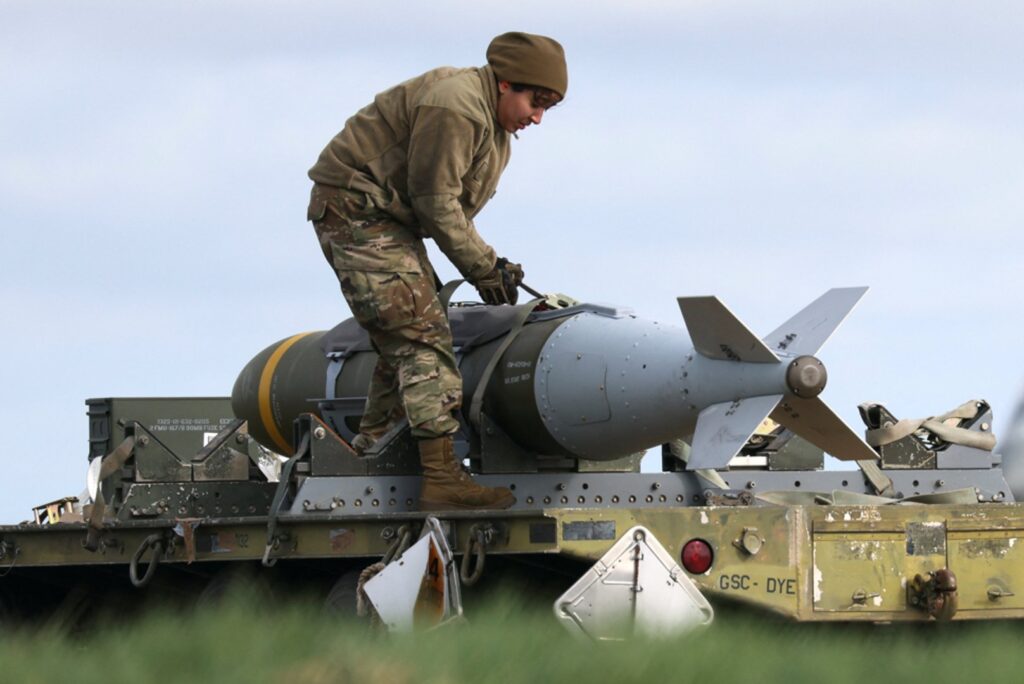
The ongoing conflict involving Iran has highlighted a critical issue within the United States’ military logistics: significant shortages in weapons stockpiles. Despite years of substantial defense spending, the US now faces a situation where ammunition and weapons reserves are depleting faster than anticipated.
This alarming trend has raised eyebrows and fuelled a broader debate about where the vast sums allocated for defense have actually been spent. Over the decades, the US government has consistently increased its defense budget, often cited as necessary for national security and maintaining military superiority. However, the current shortages suggest that this funding has not translated efficiently into sustained weapons stockpile readiness.
Experts suggest several reasons for this paradox. One major factor is the nature of modern warfare and technological advancements, which often require costly and sophisticated equipment. Additionally, procurement policies and logistics management have come under scrutiny. A significant portion of the defense budget is often consumed by research and development, personnel costs, and maintenance, which while crucial, may leave less for stocking up essential wartime armaments.
The war on Iran has brought to light these vulnerabilities, as demands for various munitions surge. Many military units have reportedly experienced delays or limitations in receiving the standard quantities of weapons. This shortfall points to a systemic issue in how defense funds are allocated and utilized.
Moreover, stockpile depletion is exacerbated by prolonged overseas engagements that drain resources. The continuous need to supply weapons for conflicts globally creates a strain on reserves, and replenishment efforts struggle to keep pace with consumption.
Political and strategic implications also arise from this scenario. The perception of military weakness due to shortages could embolden adversaries and complicate diplomatic efforts. It raises important questions about the balance between investment in new technologies versus maintaining sufficient stockpiles of conventional arms.
Calls are increasing for greater transparency and accountability in defense spending. Analysts argue that a comprehensive audit of how funds have been directed could reveal inefficiencies and direct a course correction. They emphasize the necessity of strategic planning to ensure that critical supplies are not only procured but also maintained at levels that can support sustained conflict.
In conclusion, the US experience amidst the conflict with Iran serves as a cautionary tale on the complexities of defense budgeting and military preparedness. While the overall nations’ security budget remains high, the challenge remains to ensure that funds effectively translate into readiness and capability on the ground. Moving forward, both policymakers and military leaders must address these shortcomings to safeguard national security interests in an increasingly unpredictable global landscape.