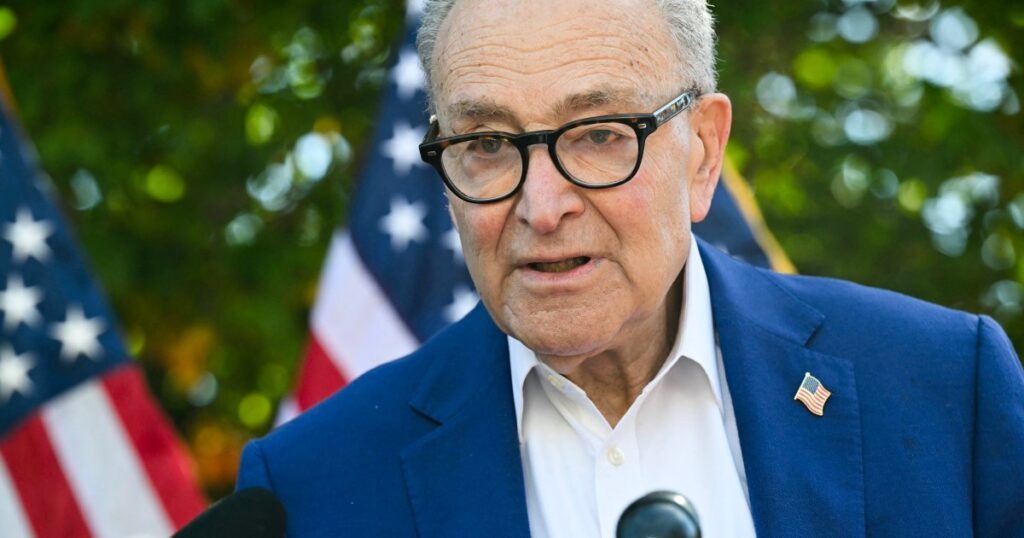
In recent weeks, the Democratic Party in the United States has been facing internal dissent and division regarding the leadership of Senate Majority Leader Chuck Schumer. While Schumer has been a prominent figure within the party, some Democratic senators, as well as key voter groups that boosted the party’s recent electoral successes, are expressing dissatisfaction and calling for new leadership.
This discord stems largely from varying perspectives on policy priorities, political strategy, and the overall direction of the party as it navigates a complex political landscape. Critics within the party argue that Schumer’s leadership has not adequately addressed critical issues or effectively capitalized on the party’s electoral mandate.
Several Democratic senators who are aligned with progressive factions have voiced their concerns publicly. They cite frustrations with Schumer’s approach to legislative negotiations and his willingness to compromise with opposition Republicans, which some view as diluting the party’s agenda.
Moreover, some voters who were pivotal in Democratic victories, particularly from suburban districts and younger demographics, feel that their aspirations and policy demands have been overlooked. These constituents had hoped for more transformative changes, including stronger climate action, healthcare reform, and social justice measures.
Historically, such leadership challenges within major political parties are not uncommon, especially following tightly contested elections or when the party is seeking to balance diverse ideological perspectives. Schumer, who has been a key player in the Senate for many years, faces the difficult task of uniting different wings of the party while managing external political pressures.
Supporters of Schumer argue that his experience and political acumen have been vital for the party’s legislative achievements and that abrupt leadership changes could destabilize the Senate’s functioning. They emphasize the need for strategic patience and gradual progress.
This internal debate reflects broader tensions within the Democratic Party about its identity, policy direction, and electoral strategy as it prepares for future elections. The outcome of this leadership discourse could significantly impact how effectively the party addresses national issues and maintains its coalition.
Political analysts suggest that the party might seek a middle ground, promoting leadership that can better accommodate the progressive wing’s concerns without alienating moderate members. Some propose more inclusive decision-making structures and greater transparency to rebuild trust among disenfranchised voters and legislators.
As the pressure mounts, Schumer and his allies may need to engage in deeper dialogue with critics, potentially reshaping his leadership approach to emphasize collaboration and responsiveness. This could include prioritizing key progressive policies while maintaining unity within the Senate caucus.
The Democratic Party’s future cohesion and success depend significantly on resolving these leadership tensions. How the party navigates this period of internal conflict will be closely watched by the American public and political stakeholders alike, as it signals the party’s ability to govern effectively and respond to its base’s expectations.
In conclusion, the division among US Democrats over Chuck Schumer’s leadership role highlights the challenges faced by political parties in balancing diverse viewpoints and demands. The resolution of this issue will play a crucial role in shaping the Democratic agenda and influencing the political landscape in the years ahead.