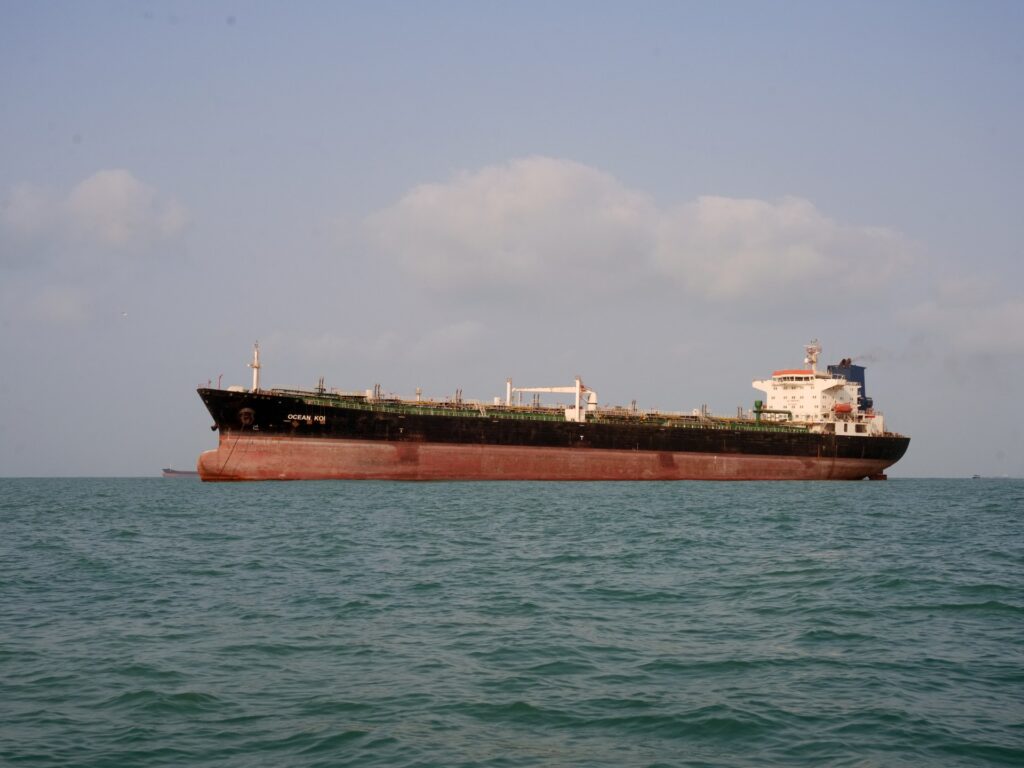
In a recent escalation of regional tensions, Iranian forces have reported that five oil tankers and one tugboat caught fire following multiple incidents in the strategic Strait of Hormuz. These incidents have raised international concerns about the stability and security of one of the world’s most crucial waterways for global oil supply.
The Strait of Hormuz, a narrow passage connecting the Persian Gulf with the Gulf of Oman and the Arabian Sea, is a vital transit route through which a significant portion of the world’s petroleum passes. Any disruption in this area has far-reaching implications for global energy markets and geopolitical stability.
Iranian officials have accused external actors, implicitly or explicitly referencing fears of a potential new US military operation, of orchestrating these attacks to destabilize the region. Tensions between Iran and the United States have been high for years, marked by conflicts over nuclear ambitions, sanctions, and military presence in the Middle East.
The Iranian military’s report indicates that the fires were the result of targeted strikes on the vessels, emphasizing the need for increased vigilance and readiness to respond to further provocations. Iran has historically vowed to protect its territorial waters and has occasionally responded aggressively to what it perceives as threats or incursions.
Shipping companies and international maritime organizations have expressed concerns over the safety of commercial vessels operating in the area following these incidents. Insurance costs for tankers passing through the Strait of Hormuz may increase, potentially impacting global oil prices.
The United Nations and other international bodies have called for calm and dialogue to prevent further escalation. Diplomatic efforts are underway to de-escalate tensions between Iran and the United States, aiming to ensure the security of maritime routes and maintain the free flow of commerce.
Experts warn that continued hostility and military posturing risk triggering conflict that could disrupt energy supplies worldwide. The international community remains watchful as parties navigate this complicated geopolitical landscape.
The recent tanker attacks in the Strait of Hormuz underline the fragile security situation at a critical global chokepoint. As Iran and the US navigate their fraught relations, the world’s energy markets and maritime commerce hang in the balance, emphasizing the urgent need for diplomatic resolution and stability in the region.