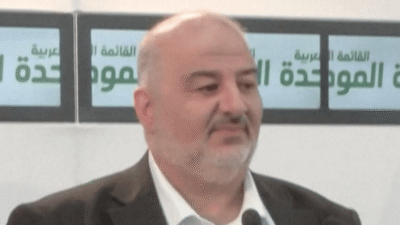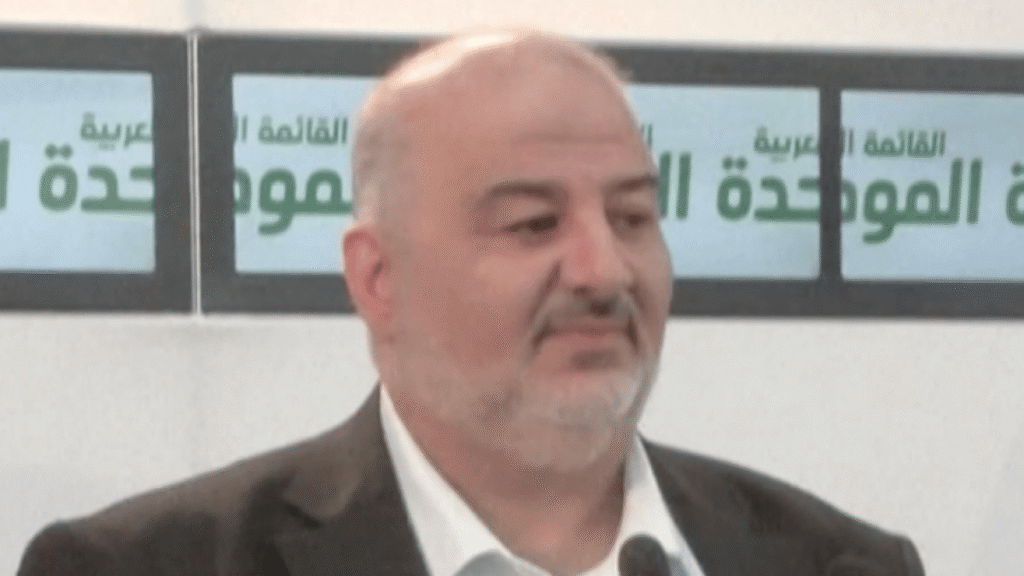
In a significant political development, the Arab-majority party Ra’am, along with the Democrats, has declared its support for Gadi Eisenkot in his bid to form Israel’s next government. This move marks a notable shift in Israel’s political landscape, as Ra’am’s backing of a former military chief is seen as a strategic alliance that could influence the formation and stability of the new government.
Gadi Eisenkot, a former Chief of Staff of the Israel Defense Forces, is widely recognized for his military expertise and leadership. His attempt to form a government comes at a time when Israel is navigating complex political challenges, including coalition-building in a fragmented parliament.
The support from Ra’am, an Arab-majority party, signifies a hopeful step towards inclusive governance that incorporates diverse voices across Israel’s political spectrum. Historically, Arab parties in Israel have been marginalized from mainstream government coalitions, making this endorsement a potentially transformative development.
Ra’am’s collaboration with the Democrats, a centrist political group, further emphasizes a broader coalition-building effort aimed at achieving political stability. This alliance could help Eisenkot secure the necessary parliamentary majority to lead the country effectively.
Analysts suggest that the partnership may open new avenues for addressing issues affecting Israel’s Arab population, including social and economic disparities. It also reflects a pragmatic approach by all parties involved to prioritize governance and national unity.
Eisenkot’s bid for premiership is expected to focus on security, economic development, and fostering coexistence among Israel’s diverse communities. The backing of Ra’am could enhance his government’s legitimacy among Arab Israelis and promote a more inclusive policy agenda.
This development comes amid ongoing political turbulence in Israel, with multiple elections held in recent years failing to produce a lasting government. Eisenkot’s attempt, supported by Ra’am and the Democrats, represents a renewed effort to break the political deadlock.
The international community is watching closely, as the formation of a stable government in Israel has implications for regional security and diplomatic relations. The inclusion of Arab parties in government formation talks may also signal a shift towards greater dialogue and cooperation within Israeli society.
If successful, Eisenkot’s government would mark a milestone in Israeli politics, reinforcing the importance of coalition-building and cross-communal partnerships. It could pave the way for more collaborative governance models and set a precedent for future political negotiations.
In conclusion, the endorsement of Gadi Eisenkot by the Arab-majority party Ra’am and the Democrats is a pivotal moment in Israel’s political arena. It highlights the evolving dynamics of coalition politics and the potential for greater inclusivity in the country’s governance. As Eisenkot moves forward with his bid to form the next government, the eyes of the nation and the world remain focused on the outcomes of this unprecedented alliance.