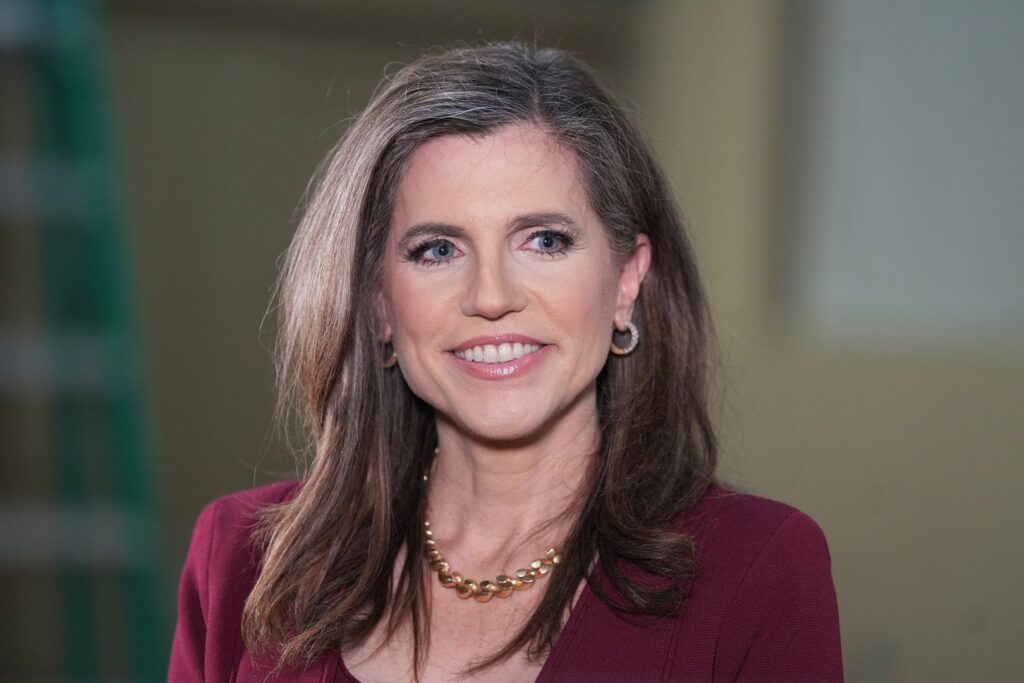
US Congresswoman Nancy Mace has recently ignited controversy by labeling Muslim officials as a ‘threat’ to the United States, a comment that has stirred significant backlash and accusations of Islamophobia. This heated exchange came to public attention following the political victory of Abdul El-Sayed, a Muslim candidate, in Michigan.
The confrontation unfolded during a CNN segment with presenter Omar Jimenez, where Mace’s remarks were challenged for their potentially discriminatory nature. El-Sayed’s win was a landmark in the Michigan political landscape, signaling increasing diversity and representation in American politics.
Nancy Mace’s statement suggested that the inclusion of Muslim individuals in government positions could pose security risks, sparking immediate criticism from advocacy groups and fellow politicians. They condemned her remarks as unfounded, inflammatory, and detrimental to social cohesion, emphasizing that the United States has a long-standing tradition of religious freedom and inclusivity.
This incident is part of a broader, ongoing discourse about the presence and participation of Muslim Americans in public office. While some political figures express concerns framed around national security, civil rights defenders warn against stereotyping and alienating an entire community based on religion.
The backlash against Mace’s comments included calls for apologies and reminders that Muslim Americans have historically contributed significantly to various sectors within the country. Many pointed out that equating a religious identity with a threat undermines the democratic values of equality and justice.
Moreover, media outlets have scrutinized Mace’s remarks within the context of rising Islamophobic sentiments in parts of the US, highlighting the risks such rhetoric poses to social harmony. Observers note that while scrutiny of officials’ policies and actions is legitimate, targeting individuals based on their faith is discriminatory and counterproductive.
In response to the controversy, some lawmakers have urged Congresswoman Mace to reconsider her stance and promote a more inclusive dialogue that respects religious diversity. Meanwhile, supporters of Abdul El-Sayed have rallied behind him, emphasizing the importance of representation and the strength that diversity brings to American governance.
This episode serves as a reminder of the challenges faced by minority communities in the political arena and underscores the need for respectful and fact-based discourse. It brings to the forefront vital discussions about faith, identity, and national security in an increasingly pluralistic society.
As political landscapes evolve, the integration and acceptance of diverse backgrounds remain crucial for the unity and progression of the United States. The response to such statements reflects broader societal attitudes toward inclusion and the fight against prejudice.
Ultimately, the incident involving Congresswoman Nancy Mace and the subsequent debate highlight the ongoing struggle to reconcile security concerns with the imperative to uphold civil liberties and promote diversity in American public life.