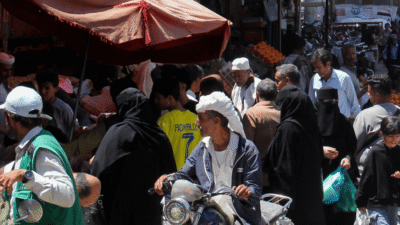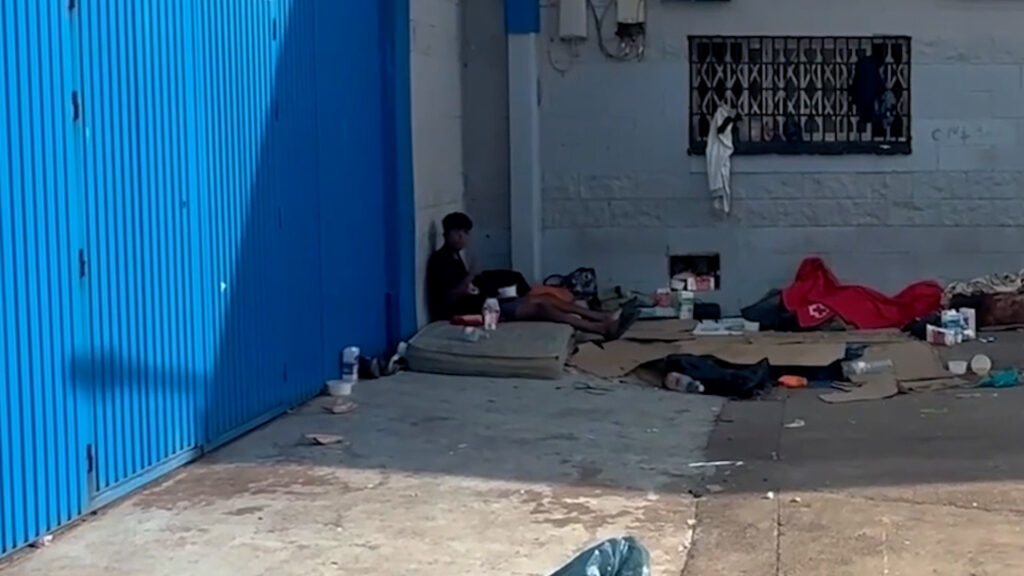
A significant humanitarian crisis is unfolding in Ceuta, the Spanish enclave in North Africa, where a surge of migrant children and families have been living in makeshift shelters. These vulnerable groups have reportedly gone days without food amid a growing influx of asylum seekers. Ceuta has long been a key passage for migrants attempting to enter Europe, but recent months have seen an unprecedented increase in arrivals, overwhelming local resources and authorities.
The enclave’s limited infrastructure is under immense strain as thousands of migrants, many of whom are children, seek shelter and assistance. The lack of adequate food, water, and medical care in these impromptu camps has raised alarms among human rights organizations and humanitarian agencies urging swift intervention.
Local officials and Spain’s government are grappling with the challenge of managing the crisis, balancing border security with urgent humanitarian needs. Efforts are underway to provide aid, but logistical difficulties and the sheer volume of migrants complicate these endeavors.
The situation in Ceuta reflects broader issues faced by migrant destinations along Europe’s southern borders, highlighting the need for coordinated international responses to migration flows. The plight of the children stuck in these conditions has drawn particular attention, emphasizing the urgency of addressing the root causes driving migration and improving reception conditions.
As the crisis continues, calls for more comprehensive policies and increased support for frontline regions like Ceuta are growing louder. The humanitarian community stresses the importance of safeguarding the rights and dignity of migrants while ensuring that local communities receive the resources they need to cope with the challenges posed by these mass movements.
This ongoing crisis in Ceuta underscores the complex dynamics of migration in the Mediterranean corridor and the critical need for sustainable and humane solutions that can prevent such emergencies in the future.