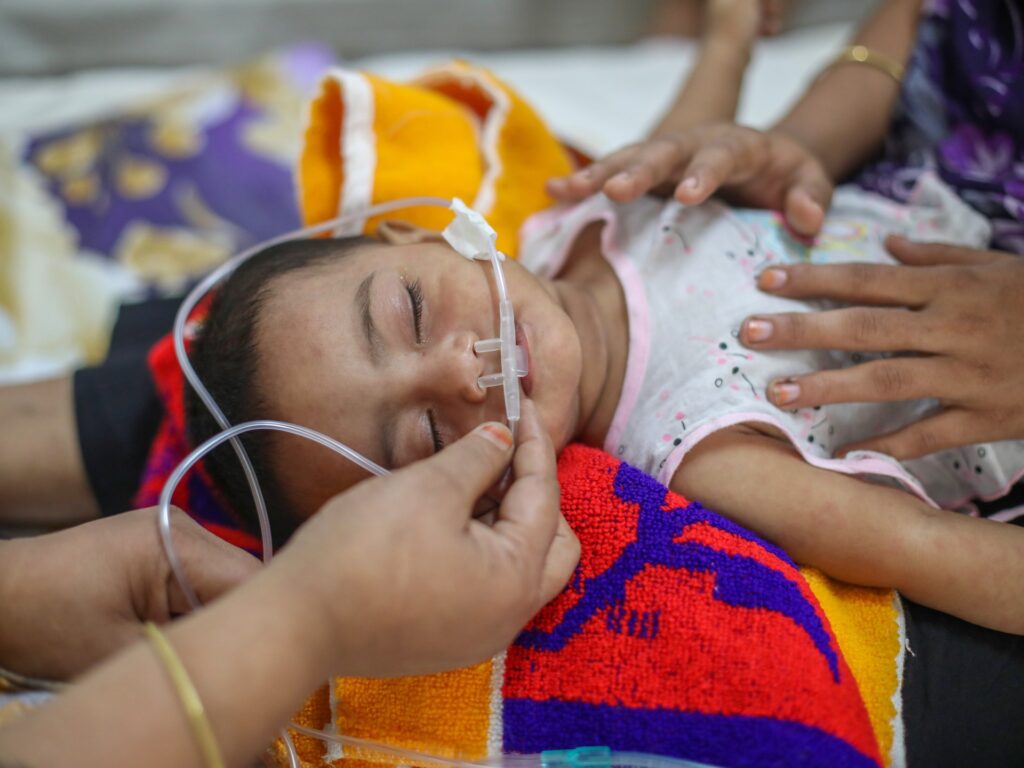
A severe measles outbreak has tragically claimed the lives of more than 500 children in Bangladesh, with the majority of cases reported among young children aged between six months and five years. The outbreak has overwhelmed healthcare facilities, as doctors struggle to manage the influx of patients. Measles, a highly contagious viral disease, poses significant risks to children, especially those under five, due to their still-developing immune systems.
Health officials have expressed deep concern over the rapid spread of the disease, which is preventable through vaccination. However, gaps in immunization coverage, possibly due to logistical challenges and vaccine hesitancy, have contributed to the susceptibility of children.
Medical professionals emphasize the importance of early detection and treatment of measles to prevent fatal complications such as pneumonia, encephalitis, and severe malnutrition. The government, in collaboration with international health organizations, has initiated campaigns to increase vaccination and improve public awareness about the disease.
Despite these efforts, many rural and underserved areas face difficulties in accessing timely medical care, exacerbating the crisis. The Ministry of Health is working on strengthening the healthcare infrastructure to provide better support for affected children and prevent further casualties.
The outbreak highlights the critical need for sustained immunization programs and investment in public health education. Experts warn that without immediate and coordinated action, the death toll could rise further, endangering even more children.
Communities are urged to participate actively in vaccination drives and seek medical help promptly if symptoms of measles appear, such as high fever, cough, runny nose, red eyes, and the characteristic rash.
International aid agencies have pledged support to Bangladesh to control the outbreak, offering vaccines, medical supplies, and expertise. Public health officials reiterate that vaccination remains the most effective defense against measles and call for urgent measures to close the immunization gaps.
As the situation unfolds, it serves as a grim reminder of the ongoing threats posed by vaccine-preventable diseases in vulnerable populations. Ensuring that every child receives necessary immunizations is paramount in safeguarding their health and preventing such tragedies in the future.