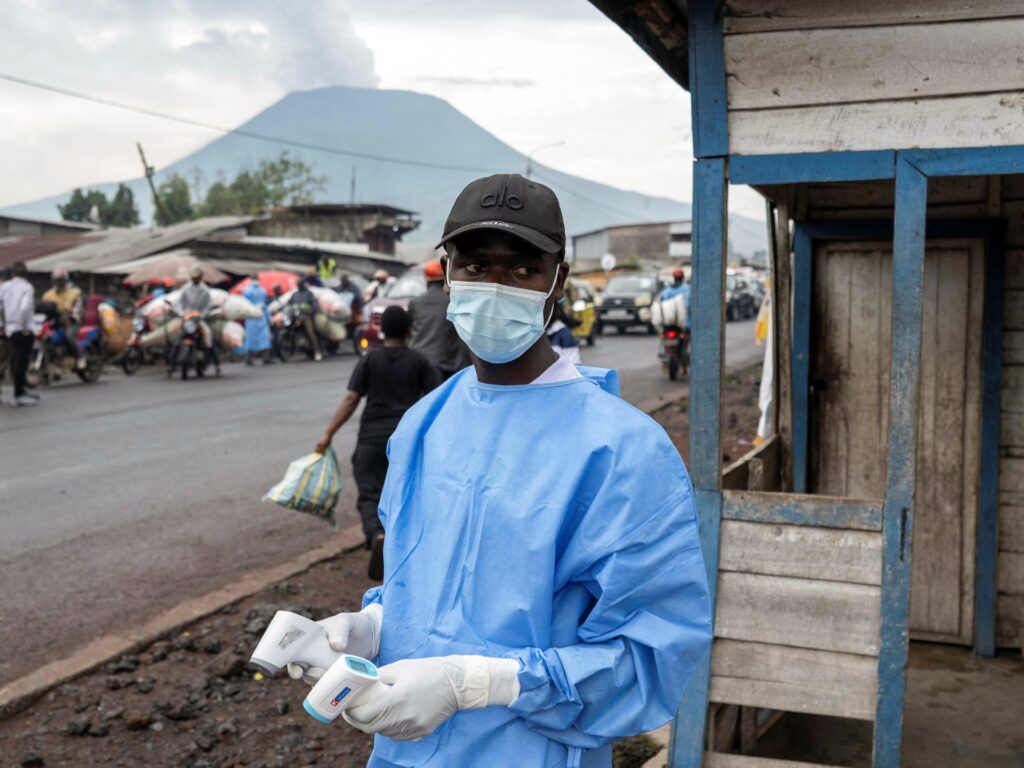
The ongoing Ebola outbreak in the Democratic Republic of Congo (DRC) is facing significant challenges due to violence and overcrowding, severely hampering effective response efforts. Health workers and humanitarian organizations are struggling to contain the virus amid escalating security concerns and growing population density in affected areas.
The conflict-laden environment has made it difficult for medical teams to access critical locations. Attacks on healthcare facilities and personnel have increased, causing disruptions in treatment and prevention activities. Additionally, many communities are wary of response teams due to mistrust and fear, which further complicates containment measures.
Overcrowding in urban centers and refugee camps has created ideal conditions for the virus to spread rapidly. Combined with insufficient infrastructure and limited healthcare capacity, the overcrowding exacerbates the risks of transmission. As a result, tracing and isolating cases have become more challenging.
Authorities and international partners are calling for enhanced security measures to protect health workers on the frontlines. There is also a push for greater community engagement to build trust and cooperation with affected populations. Continued support for vaccination campaigns and improved healthcare access remain critical components of the strategic response.
Despite these obstacles, progress has been made in reducing case numbers and increasing community awareness. However, the persistent violence and overcrowding underscore the complex and multifaceted nature of responding to Ebola in the DRC. Efforts to address these issues must be integrated with public health strategies to effectively control the outbreak.
Moving forward, a coordinated approach involving government forces, humanitarian agencies, and local leaders is essential to mitigate violence and manage population density impacts. Strengthening health infrastructure and ensuring the safety of responders will be crucial in curbing the disease.
The situation also highlights the broader challenges faced in conflict zones where health crises often intersect with security issues, requiring innovative solutions and sustained international support. As the world watches, the resilience of both the people of the DRC and the global health community will be tested in the battle against Ebola.