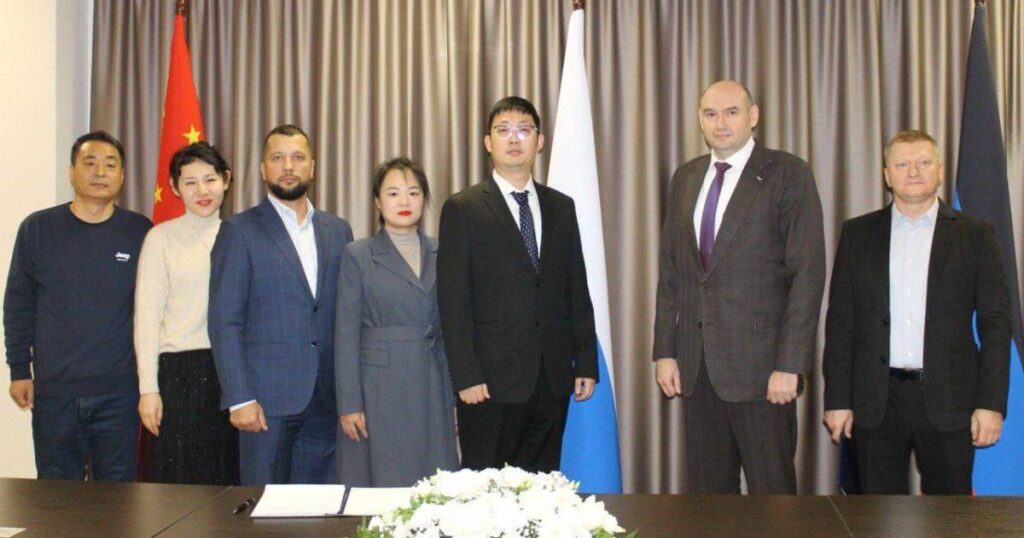
The ongoing conflict in Ukraine has created an environment where some foreign companies, particularly from China and Iran, are operating in Russia-occupied regions such as Donetsk and Luhansk. According to a recent report by a Ukrainian monitoring agency, more than a dozen Chinese companies are actively conducting business in these contested areas, raising concerns about the economic dynamics underpinning the conflict.
These companies span various sectors, including manufacturing, construction, and supply chain operations, exploiting the lack of stringent regulatory oversight in the occupied territories. Their activities suggest a strategic interest in supporting Russia’s hold on these regions economically while also benefiting financially.
Iranian firms, though fewer in number, have also been reported to engage in commercial activities tied closely to the Russian economy. These activities range from providing technological solutions to logistical support, which indirectly reinforces the occupation’s infrastructure.
The presence of these companies is facilitated by the ambiguous legal and economic status of these regions, which are not internationally recognized as part of Russia but remain under de facto Russian control. This liminal status provides a grey zone that foreign firms exploit to navigate sanctions and global trade restrictions.
Chinese companies reportedly source materials locally and engage with paramilitary officials and local administrators to secure contracts. These engagements often bypass international laws related to occupation, sanctions, and human rights, indicating a complex interplay between commerce and conflict.
From a geopolitical perspective, this involvement highlights China’s strategic balancing act — seeking to maintain economic partnerships with Russia while managing cautious relations with the West. For Iranian companies, operating in these zones aligns with their interest in expanding influence in Eastern Europe and circumventing economic isolation.
The economic activities of these Chinese and Iranian firms could be seen as financing the ongoing conflict and entrenching Russian control, raising significant ethical and legal questions. International bodies and Ukrainian authorities have called for greater scrutiny and potential sanctions targeting companies operating in these contentious regions.
In sum, the economic footprint of Chinese and Iranian companies in Russia-occupied Ukrainian regions exemplifies the complex nexus of business interests, geopolitics, and conflict. Their profits in Donetsk, Luhansk, and other occupied territories reflect broader challenges in enforcing international norms amid ongoing warfare and occupation.