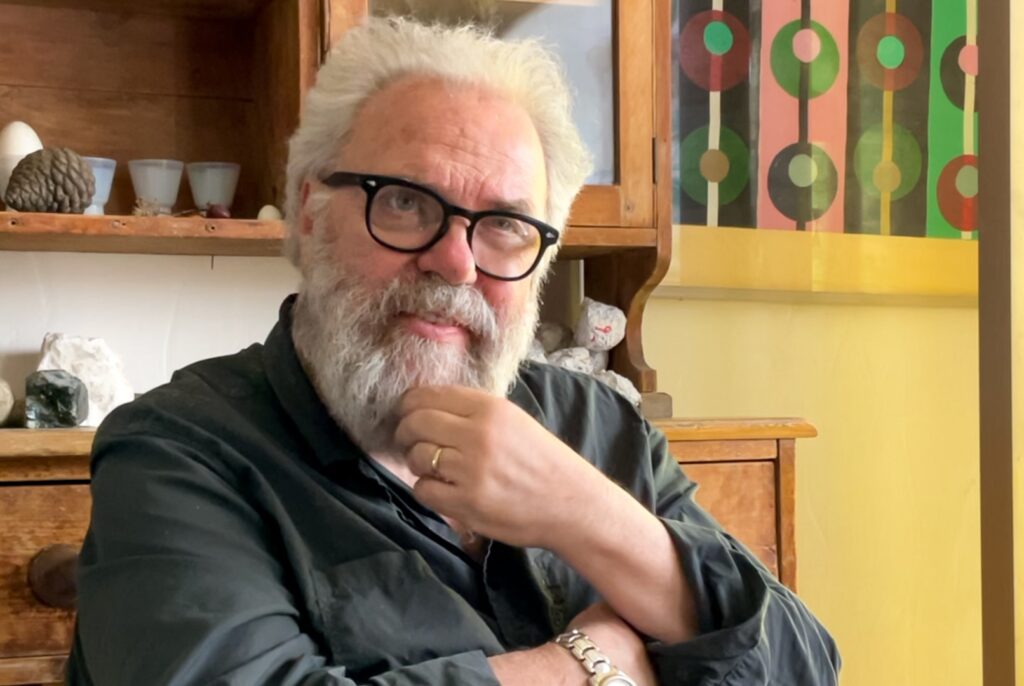
Matthew Collings, a UK artist known for his provocative social and political artwork, has publicly defended his exhibition titled ‘Drawings Against Genocide’ after it was abruptly cancelled. The exhibition, which focuses on Israeli violence against Palestinians, sparked controversy and led to accusations of being politically charged and inflammatory.
Collings asserts that his artistic work has been deliberately misinterpreted by critics who oppose his critical stance on the Israeli-Palestinian conflict. The artist emphasizes that the intention behind ‘Drawings Against Genocide’ is to spotlight the human suffering and systemic violence faced by Palestinians, rather than to express hatred or promote division.
The cancellation of the exhibition has ignited a broader debate surrounding freedom of speech and the role of art in addressing sensitive geopolitical issues. Advocates for the exhibition argue that art is a vital platform for raising awareness about human rights abuses and that silencing such work hinders public understanding.
Supporters of Collings praise his courage in bringing attention to the plight of Palestinians through his drawings, which they describe as powerful visual testimonies against injustice. The artist’s defenders warn against overlooking the complexities and realities of the conflict by prematurely dismissing critical perspectives.
Conversely, critics contend that the exhibition unfairly targets Israel and may contribute to increased tensions. Some commentators worry that the imagery used could be seen as one-sided and potentially exacerbate misunderstandings about the conflict.
Collings further clarifies that his work does not seek to demonize any group but aims to challenge audiences to reflect critically on the ongoing violence and its humanitarian impact. He calls for open dialogue and engagement with difficult topics through artistic expression.
The cancellation has prompted discussions within artistic and cultural institutions about the balance between curatorial freedom and sensitivity to political contexts. Many voices emphasize the importance of protecting artistic freedom while promoting respectful discourse.
The controversy surrounding ‘Drawings Against Genocide’ mirrors global conversations on how art intersects with activism and politics. It raises enduring questions about how societies address contentious subjects through culture and media.
In defending his exhibition, Matthew Collings stands firm on the principle that art should provoke thought and empathy, especially on issues of genocide and armed conflict. The debate continues as artists, critics, and the public navigate the challenging terrain of representing and responding to real-world suffering through creative work.