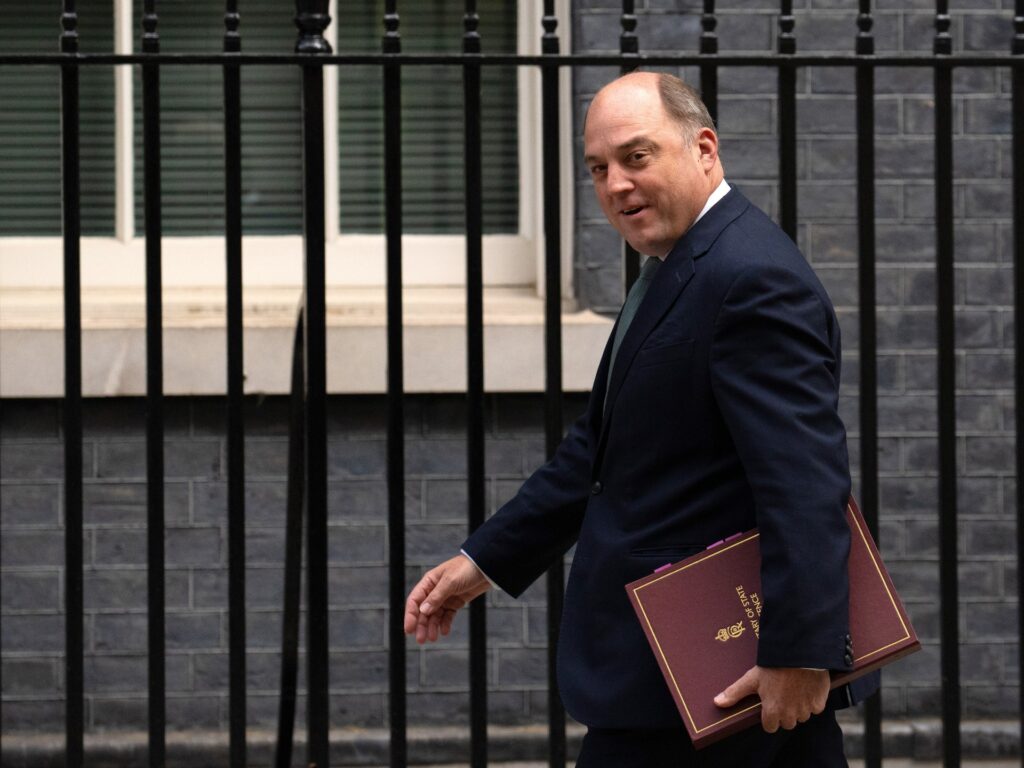
In a significant development escalating tensions between Russia and the United Kingdom, Russia has placed former UK Defence Minister Ben Wallace on its wanted list. This move comes amid ongoing geopolitical conflicts surrounding Ukraine and Russia’s annexation of Crimea.
Ben Wallace, who served as the UK’s Secretary of State for Defence, reportedly recommended supporting Ukraine in carrying out a strike on the Kerch Strait Bridge last year. The bridge is a strategic link constructed by Russia to connect mainland Russia to the annexed Crimean Peninsula. It holds immense military and symbolic importance for Russia, and attacks or threats to it are viewed by Moscow as severe provocations.
The Kerch Strait Bridge, also known as the Crimean Bridge, has been a focal point in the conflict since Russia seized Crimea from Ukraine in 2014. Ukraine and Western allies have frequently condemned Russia’s annexation and the subsequent militarization of the region.
Wallace’s recommendation to aid Ukraine in targeting the bridge aligns with the UK’s support for Ukraine following Moscow’s full-scale invasion in February 2022. The UK government, under his ministerial tenure, provided military and humanitarian assistance to Ukraine.
The inclusion of Ben Wallace on Russia’s wanted list signals Moscow’s approach to holding foreign political figures accountable for their role in opposing Russian actions. This designation might involve alleged charges related to incitement or support of attacks against Russian assets, but specific charges have not been publicly detailed by Russian authorities.
This development adds to the already strained relations between Russia and the UK, including diplomatic expulsions, sanctions, and mutual accusations of interference in internal affairs.
Experts warn that such moves could further complicate diplomatic efforts aimed at resolving the Ukraine crisis peacefully. It also highlights the ongoing risks faced by political figures involved in the conflict, even those no longer in office.
Ben Wallace has not yet publicly responded to the announcement by Russian authorities. Meanwhile, the UK government continues to affirm its support for Ukraine’s sovereignty and territorial integrity.
The situation illustrates the broader geopolitical struggle playing out in Eastern Europe, where military, political, and symbolic actions by various actors impact the region’s stability.
Russia’s decision to target a former Western defence minister underscores its determination to counteract what it perceives as hostile Western influence and intervention in the conflict.
As the conflict persists, incidents like these are reminders of the complex international dimensions that influence and prolong hostilities.
Observers will be watching closely how this development affects UK-Russia relations and the broader international response to the Ukraine war.