In recent times, Ireland’s Black community has come forward to speak openly about the persistent issue of racism in the country, sparked especially by the tragic death of Yves Sakila. His death following a violent restraint by law enforcement has been described by many as a ‘George Floyd moment’ for Ireland, highlighting systemic issues that have long been overlooked.
Yves Sakila, a young Black man, died in the aftermath of a physical altercation with Irish police officers. His death has ignited national conversations about the treatment of minority communities by the police and the broader societal prejudices embedded within Irish culture. Many members of Ireland’s Black community feel that their experiences with racism are often dismissed or ignored, contributing to feelings of marginalization and frustration.
Activists and community leaders have pointed out that this tragic event is not isolated but reflective of a larger pattern of racial profiling, discrimination, and violence against Black people in Ireland. Despite Ireland’s reputation as a welcoming and progressive country, underlying tensions and systemic biases remain largely unaddressed.
Several witnesses and community members cited incidents of everyday racism, including racial slurs, unequal treatment in public services, and employment discrimination. This pattern has fostered a climate of fear and mistrust toward authorities and institutions that are meant to protect all citizens.
Advocates are calling for comprehensive reforms including improved police training on cultural sensitivity and de-escalation techniques, better mechanisms for accountability when misconduct occurs, and increased support services for victims of racism. There is also a push for more inclusive representation in government and public institutions to better reflect Ireland’s growing diversity.
Institutions like the Irish Human Rights and Equality Commission have acknowledged the need for an honest reckoning with racism in Ireland and have pledged to engage more deeply with Black communities and other minorities to develop practical solutions.
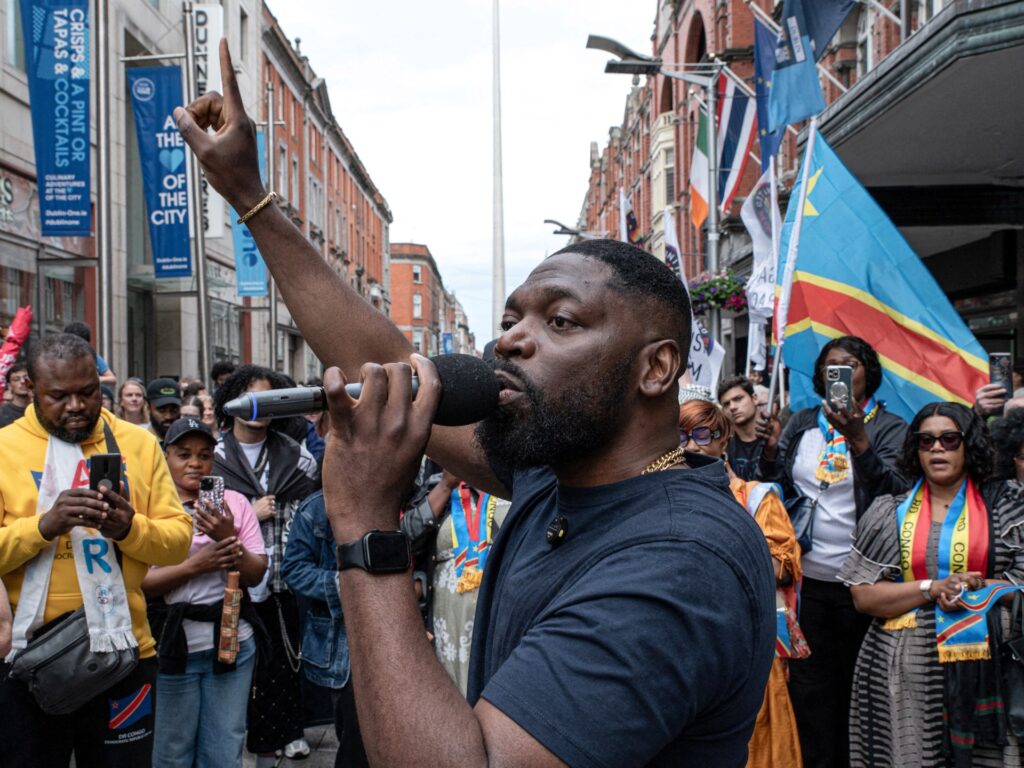
Public demonstrations and dialogue forums held across the country encourage people from all backgrounds to listen and learn about the lived realities of racism, aiming to foster empathy and collective action against discrimination.
The tragedy of Yves Sakila represents both a painful loss and a catalyst for change. Many hope that this moment will lead to a broader recognition of racial injustice in Ireland and inspire tangible steps toward equality and respect for all.
As Ireland continues to diversify, addressing issues of racism with openness and urgency is critical to building a unified society where every person, regardless of their background, can live without fear and with equal opportunity.
The conversations sparked by this ‘George Floyd moment’ are prompting Ireland to confront its challenges head-on, in pursuit of a fairer and more just future for its Black community and all marginalized groups.