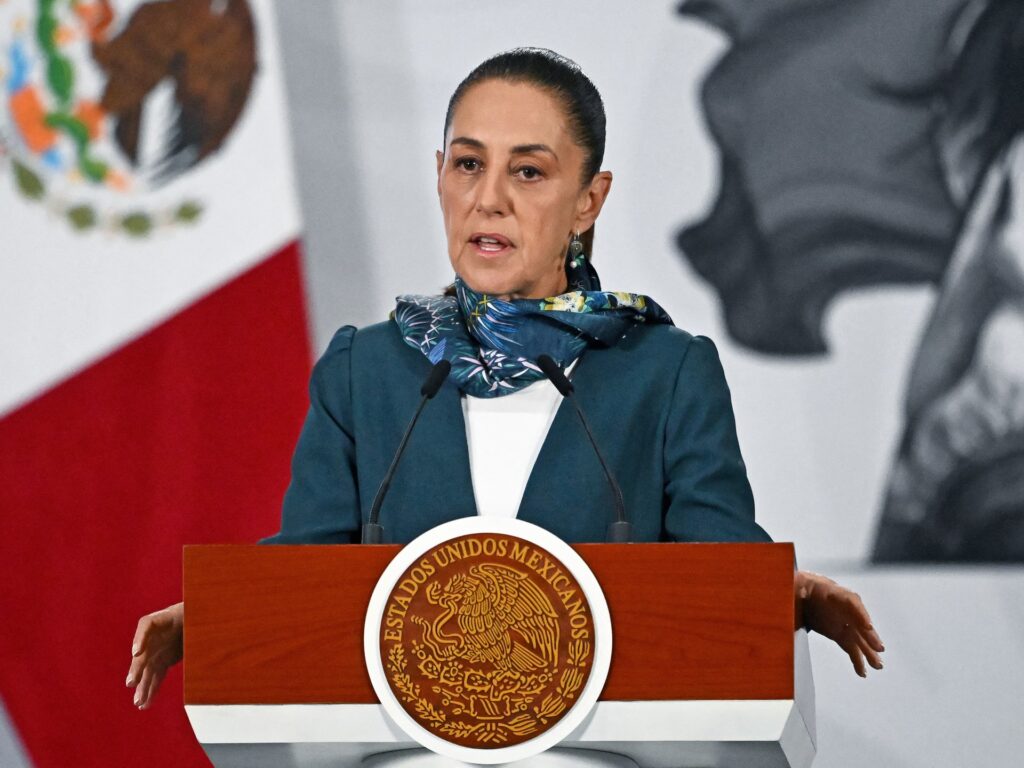
In recent developments, Claudia Sheinbaum, a prominent Mexican political figure, has firmly denied media reports alleging CIA operations targeting drug cartels within Mexico. These reports, initially presented by major outlets such as CNN and The New York Times, asserted covert activities by the US Central Intelligence Agency aimed at dismantling cartel operations, stirring significant controversy and speculation about the extent of US involvement in Mexico’s fight against organized crime.
Sheinbaum reacted strongly against these claims, labeling them as ‘lies’ and dismissing them as unfounded accusations that could potentially undermine Mexican sovereignty and the nation’s strategic efforts to combat drug trafficking. Her denial comes amid rising tensions and growing public debate over foreign influence in the country’s internal security matters.
The allegations, if true, would point to an intense and secretive collaboration between the US and Mexican authorities aimed at curbing the influence and violence of drug cartels, which have long been a destabilizing force in the region. However, Sheinbaum’s outright rejection of these reports underscores a pushback against narratives that suggest external meddling in Mexico’s domestic affairs.
The broader context includes mounting questions about the transparency and extent of US involvement in Mexico’s ongoing conflict with powerful and violent drug cartels. Various stakeholders and analysts have debated the implications of such partnerships and the fine line between cooperation and interference.
Claudia Sheinbaum’s strong stance serves to reaffirm Mexico’s position on maintaining its sovereignty and controlling the narrative around its national security policies. It also highlights the sensitive nature of intelligence operations and the political ramifications when details of covert activities come to light through media leaks.
Many observers are now watching closely to see how this dispute will affect US-Mexico relations, especially in terms of security cooperation and diplomatic exchanges. The episode throws into sharp relief the challenges associated with balancing international partnerships while safeguarding national interests and public trust.
As this story continues to unfold, questions remain about the veracity of the initial reports, the nature of US-Mexico collaboration on cartel issues, and the potential political motivations behind the conflicting narratives. Claudia Sheinbaum’s denial thus represents a critical juncture in this complex and evolving saga surrounding drug cartel operations, international intelligence activities, and the quest for regional stability.