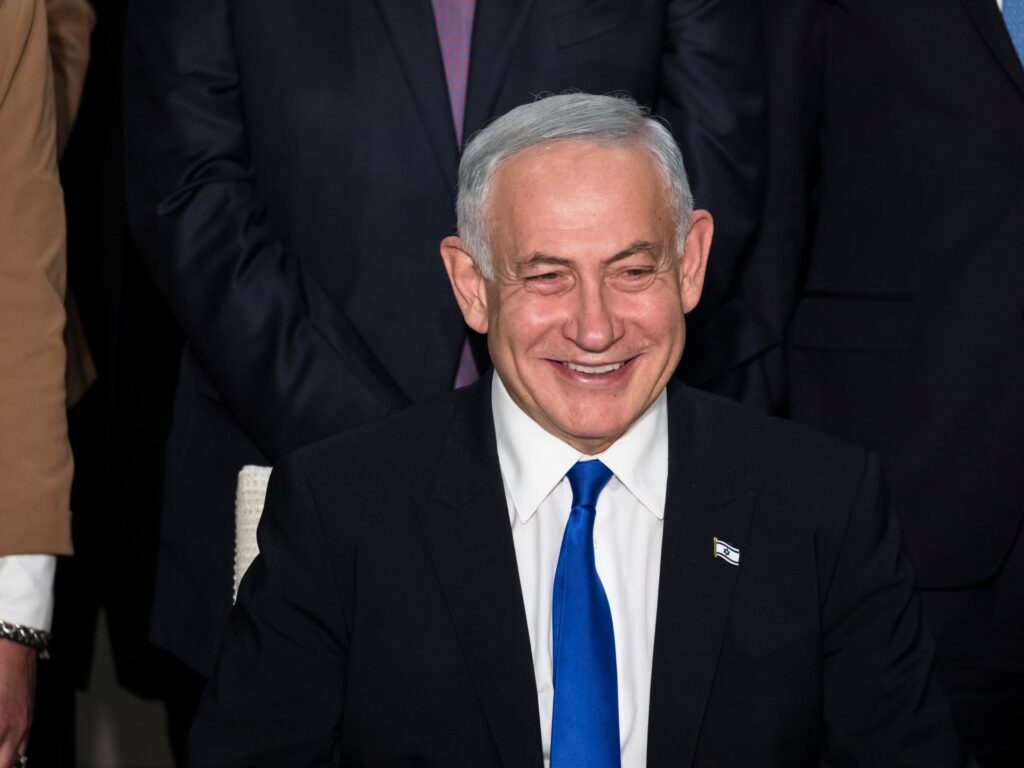
In a significant and discreet diplomatic move, Israeli Prime Minister Benjamin Netanyahu made a secret visit to the United Arab Emirates (UAE) during a critical period of US-Israel tensions over Iran. This visit, described by Netanyahu’s office as a ‘historic breakthrough,’ signals a deepening of ties between Israel and the Gulf state, which has been cautious but increasingly open about its relations with Israel.
The timing of the trip was notably sensitive, coinciding with heightened geopolitical tensions regarding Iran’s nuclear ambitions and regional influence. Both the United States and Israel have expressed concern about Iran’s activities, but nuances in their approaches have occasionally surfaced, making Netanyahu’s clandestine journey to Abu Dhabi particularly noteworthy.
Officials from the Israeli Prime Minister’s office emphasized that the visit was intended to solidify and expand the growing relationship between Israel and the UAE. Since the Abraham Accords were signed in 2020, normalizing relations between the two countries, there has been a steady increase in diplomatic, economic, and security cooperation.
The secret trip involved high-level discussions focusing on regional security, economic partnerships, and strategic coordination. While the official details remain confidential, sources indicate that Netanyahu aimed to align with the UAE on shared concerns about Iran’s activities and explore ways to enhance collaboration in defense and intelligence.
This confidential visit also underscores the complexity of Middle Eastern geopolitics, where strategic alliances often require discreet diplomacy to navigate sensitive issues. Netanyahu’s ability to engage with the UAE leadership secretly during such a precarious time demonstrates both countries’ commitment to deepening their partnership despite external pressures.
The UAE has emerged as a pivotal player in the region, balancing its relationships with Western powers, Gulf neighbors, and emerging global players. Its openness to secret engagements with Israel reflects a pragmatic approach to countering shared threats and fostering economic growth.
For Israel, the visit sends a strong message about the diversification of its diplomatic relationships beyond traditional allies. Strengthening ties with the UAE not only boosts Israel’s regional standing but also provides strategic benefits in countering Iranian influence.
Analysts suggest that this visit could pave the way for further discreet diplomatic contacts and joint initiatives in various fields, including technology, energy, and defense. Such developments would signify a new era of regional cooperation that might reshape Middle Eastern geopolitics.
The secret nature of the trip highlights a new paradigm in international relations where sensitive diplomatic undertakings may occur away from the public eye to achieve substantive progress. It also reflects the evolving dynamics between the US, Israel, and Gulf states in addressing shared concerns about Iran.
In conclusion, Netanyahu’s clandestine visit to the UAE during a fraught period in US-Israel relations over Iran is a historic breakthrough, symbolizing the strengthening bond between the two nations. It marks a notable chapter in their evolving partnership and potentially sets the stage for enhanced regional security and cooperation.