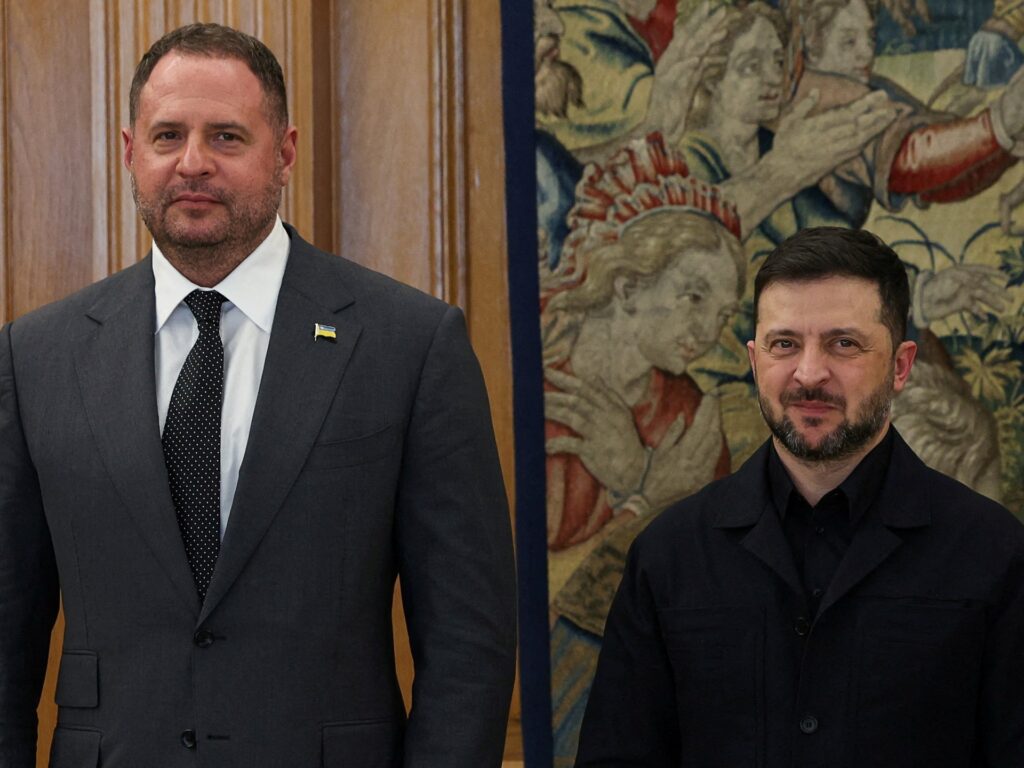
Ukraine’s political landscape is currently marred by significant corruption allegations involving close aides of President Volodymyr Zelenskyy. One of the most prominent figures caught in this wave is Andriy Yermak, the former presidential aide, who stands accused of serious financial misconduct.
Andriy Yermak is facing charges related to corruption amounting to an estimated $10.5 million. These charges are tied to a luxury real estate project located near Kyiv, raising serious concerns about the misuse of power and illicit enrichment within the upper echelons of the Ukrainian government.
The allegations against Yermak claim that he exploited his position to secure undue advantages and benefits in the development and transaction of this high-value property. This case has drawn significant attention given Yermak’s close working relationship with Zelenskyy during crucial periods of his administration.
Yermak’s involvement in the project reportedly includes manipulating deals and bypassing legal regulations to benefit financially. Investigators suggest that this form of corruption is symptomatic of broader systemic issues that have long plagued Ukraine’s efforts to combat graft and establish transparency.
These revelations have sparked outrage among the Ukrainian public and international observers alike, who see this as a critical test of the government’s commitment to anti-corruption reforms. President Zelenskyy, elected on a platform promising to eradicate corruption, now faces pressure to address these allegations transparently and hold those responsible accountable.
This scandal is not isolated. It is part of a wider pattern where members of the political elite have been implicated in various corruption schemes, undermining public trust and hampering Ukraine’s development prospects. The international community, including Western allies, is closely monitoring the situation for signs of genuine reform.
Efforts are underway by Ukrainian law enforcement agencies to thoroughly investigate these allegations. The government has pledged to cooperate fully with judicial processes and ensure that justice is served without undue interference.
The luxury real estate project near Kyiv, a symbol of opulence and exclusivity, contrasts starkly with the economic challenges faced by many Ukrainians. Allegations that such projects have been used as vehicles for corrupt enrichment highlight the urgent need for stronger oversight and governance.
Observers also point out that tackling high-level corruption is essential for Ukraine’s continued integration with European institutions and for securing international aid and investment crucial for the country’s stability and growth.
As the investigation unfolds, key questions remain about the extent of involvement of other officials and the mechanisms used to conceal illicit activities. Transparency advocates call for comprehensive reforms to prevent similar abuses in the future.
The case underscores the complexity of dissolving entrenched corruption networks that have intertwined with Ukraine’s political and economic structures over decades.
Zelenskyy’s administration is at a crossroads. How it handles these accusations will significantly impact its credibility and Ukraine’s path towards reform and European integration.
The broader implications of this scandal reveal the ongoing battle within Ukraine between old habits of corruption and the new aspirations for accountability and good governance.
Public and political pressure continues to mount, with calls for decisive action and clearer accountability measures to restore confidence.
Ukraine’s fight against corruption remains a long and challenging journey, with this case serving as a stark reminder of the hurdles faced along the way.