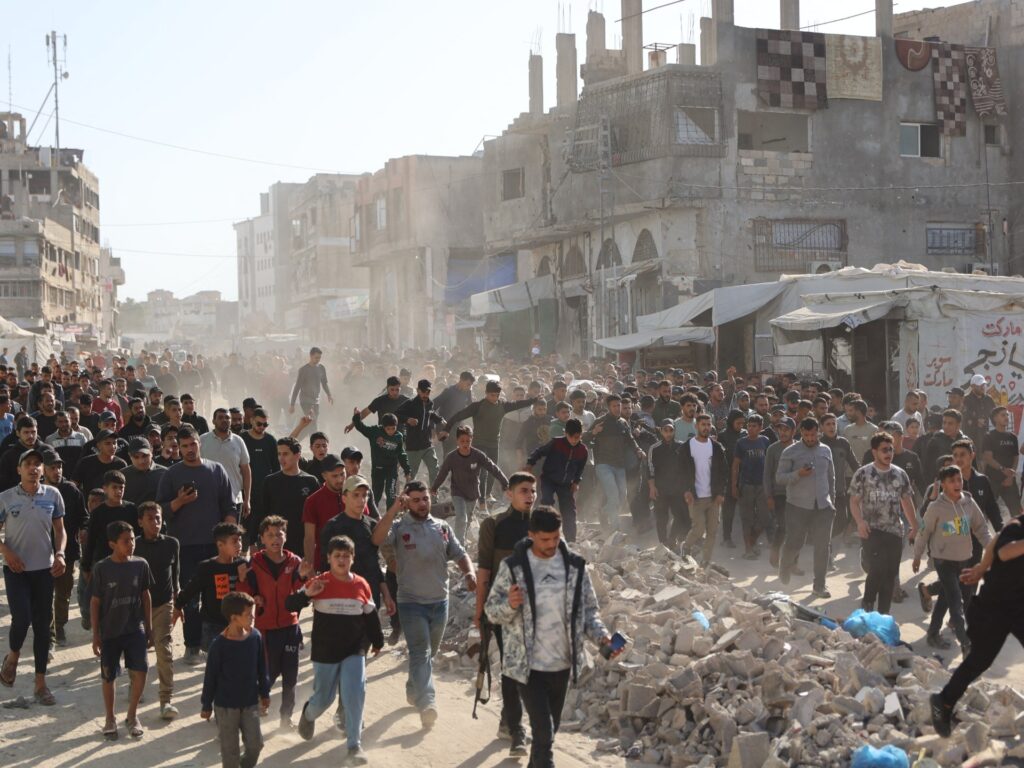
Recent data from the Armed Conflict Location & Event Data Project (ACLED), a renowned conflict monitor, indicates a significant 35% increase in Israeli attacks on Gaza throughout April. This escalation comes in the wake of a ceasefire agreement reached between Iran and other involved parties, which was expected to reduce tensions in the region.
ACLED’s comprehensive report analyzes the dynamics of conflict in Gaza, noting that despite the ceasefire, violence has intensified on the Israeli side. The increase in attacks marks a concerning trend at a time when observers had anticipated a de-escalation of hostilities following diplomatic efforts.
The report highlights that Israeli military operations in Gaza included airstrikes, artillery shelling, and ground incursions, leading to increased casualties and infrastructure damage. The uptick in attacks has further exacerbated the humanitarian crisis in Gaza, where residents are already grappling with shortages of essential supplies and medical care.
Conflict analysts suggest that the reasons behind the surge may be multifaceted, involving local political developments, security concerns, and retaliatory actions. While Iran’s ceasefire agreement aimed to stall wider regional conflicts, it appears not to have curtailed Israeli military initiatives in Gaza.
The international community has expressed growing concern over the increased violence, calling for renewed efforts towards dialogue and peaceful resolution. Human rights groups have urged both sides to adhere to international law and protect civilian lives amidst ongoing hostilities.
This significant escalation in Israeli attacks underscores the fragile nature of peace efforts in the Middle East and the persistent volatility in Gaza’s conflict landscape. Analysts emphasize the need for sustained diplomatic engagement to prevent further deterioration and to move towards a sustainable ceasefire.
As the situation develops, ACLED continues to monitor and report on the evolving conflict, providing critical data that informs policymakers, aid organizations, and the public. The latest figures serve as a stark reminder of the continuing challenges to peace and stability in Gaza despite efforts at de-escalation following Iran’s ceasefire announcement.