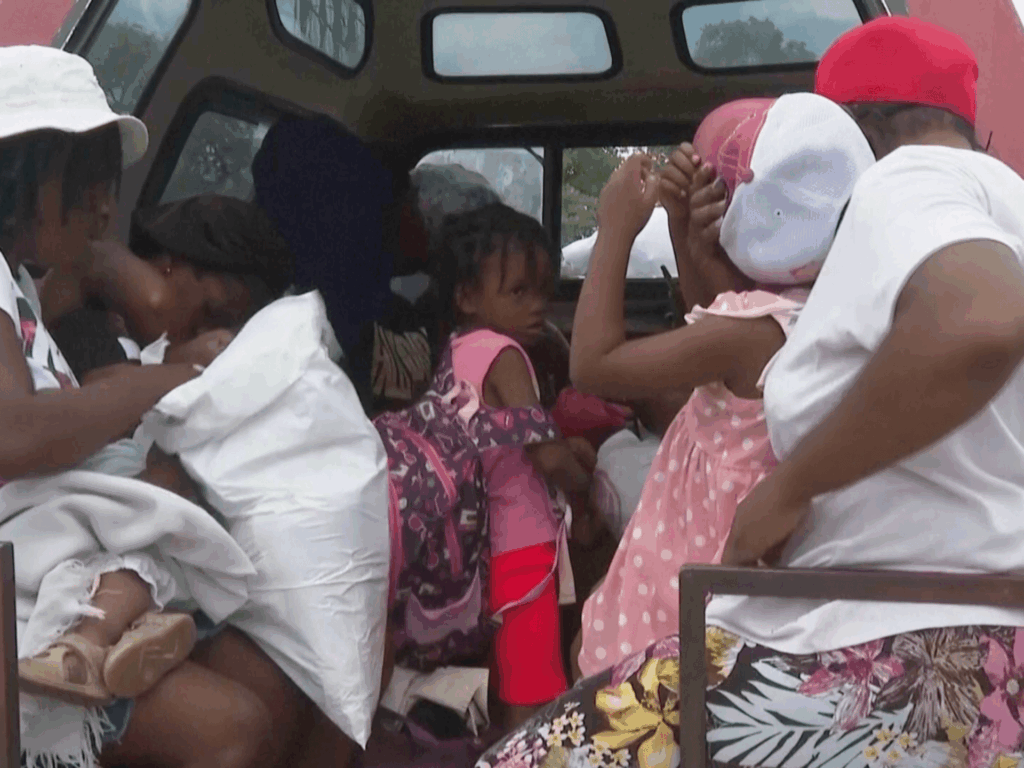
Port-au-Prince, Haiti – The situation in Haiti’s capital has deteriorated significantly as renewed clashes between rival gangs have forced hundreds more residents to flee their homes. The violent confrontations, which have escalated in recent weeks, have intensified the already dire humanitarian crisis in the city.
Residents in various neighborhoods report hearing frequent gunfire and explosions, with many caught in the crossfire as gangs fight for territorial control. These clashes have disrupted daily life, with schools closing, businesses shuttering, and public transportation becoming scarce and unsafe.
Humanitarian agencies have expressed growing concern over the displacement of families, many of whom are now seeking refuge in makeshift camps or crowded shelters. The influx of displaced people strains limited resources, including food, clean water, and medical supplies, compounding the challenges faced by already vulnerable communities.
The Haitian government and international organizations are calling for urgent action to address the escalating violence and provide relief to affected populations. However, security forces are reportedly stretched thin, and efforts to restore order have been hampered by the gangs’ increasing firepower and tactical coordination.
Community leaders have appealed for dialogue and peaceful negotiation to end the violence, emphasizing the devastating impact on children and families. Despite these calls, clashes show little sign of abating, underscoring the complexity of the crisis.
The rise in gang violence also threatens to undermine Haiti’s fragile political stability, coming at a time when the country is grappling with economic challenges and ongoing governance issues. Experts warn that without a comprehensive strategy that includes security, economic development, and social programs, the cycle of violence and displacement will likely continue.
International donors and humanitarian groups have been urged to escalate support, including aid for shelter, food security, health services, and psychosocial support for trauma-affected populations. Meanwhile, local initiatives aimed at community peacebuilding and youth engagement are seen as critical components in reducing gang influence.
As the conflict persists, the plight of those displaced remains a pressing concern, highlighting the urgent need for coordinated efforts to stabilize Port-au-Prince and help rebuild a safe environment for its residents. The resilient spirit of the Haitian people will be key to overcoming this crisis, but they require immediate and sustained support from both national and global partners.