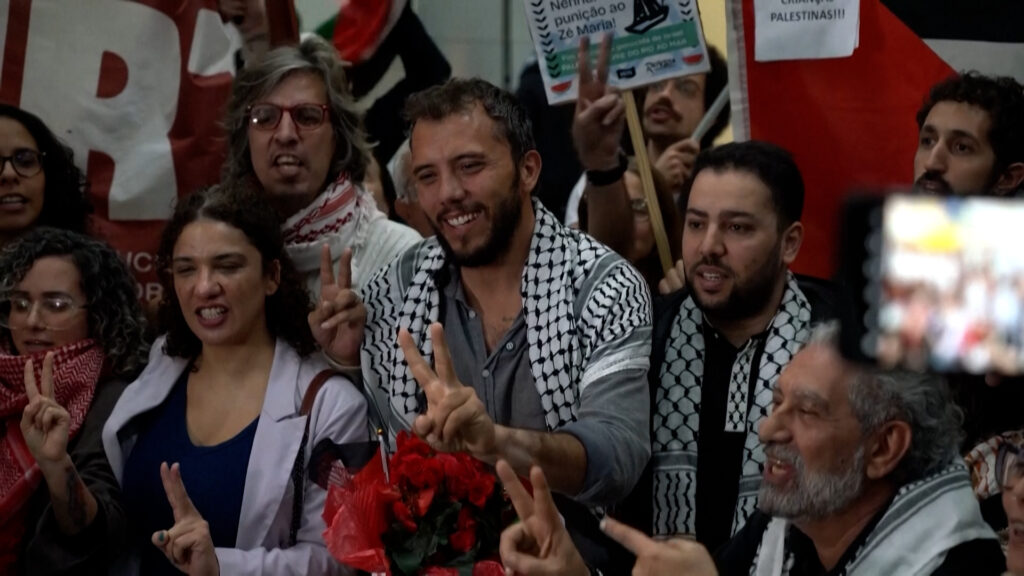
Thiago Ávila, a prominent Brazilian activist known for his involvement in flotilla campaigns, has arrived back in São Paulo after being detained and subsequently deported by Israeli authorities. The activist’s return marks the end of a contentious episode that drew international attention to the ongoing geopolitical tensions in the region.
Ávila was part of a flotilla aimed at challenging the Israeli blockade on Gaza, an area that has been subject to significant humanitarian concerns and conflict. The flotilla’s mission was to deliver aid and bring global awareness to the situation faced by the residents of Gaza.
During the mission, Ávila was detained by Israeli forces under circumstances that highlighted the complex and often confrontational interactions between activists and the Israeli government. His detention was part of a larger crackdown on activists attempting to breach the blockade.
Following his detention, Israeli authorities chose to deport Ávila back to Brazil, citing security and legal reasons. The deportation was carried out without charges being formally pressed against him, but it underscored the firm stance Israel maintains regarding the blockade and those challenging it.
Upon his arrival in São Paulo, Ávila was greeted by supporters and members of civil society who see his actions as courageous and emblematic of the broader struggle for human rights and freedom of movement in conflict zones.
The incident has sparked widespread debate in Brazil regarding the role of activists in international conflicts and the implications of such missions on diplomatic relations. Many Brazilian citizens and human rights organizations have expressed solidarity with Ávila, praising his efforts to bring attention to critical humanitarian issues.
Experts note that Ávila’s case is part of a larger pattern of activists confronting geopolitical challenges in the region. Such flotillas and missions often lead to diplomatic frictions, highlighting the delicate balance between activism and international law.
The Brazilian government has so far maintained a diplomatic approach to the incident, urging peaceful dialogue and respect for international norms. There have been calls for increased support to activists engaged in humanitarian missions worldwide.
Ávila’s experience has also prompted discussions on the safety and legal protections afforded to international activists who participate in high-risk operations. Advocacy groups emphasize the need for stronger international frameworks to protect such individuals.
Further developments in this story are anticipated as Ávila and his supporters continue to campaign for awareness and reform related to the situation in Gaza and other conflict zones globally.
This episode highlights the power of grassroots activism in shaping international discourse and the ongoing challenges faced by those who dare to challenge entrenched political realities. Thiago Ávila’s return to Brazil stands as a testament to the resilience of activists committed to humanitarian causes despite significant obstacles.