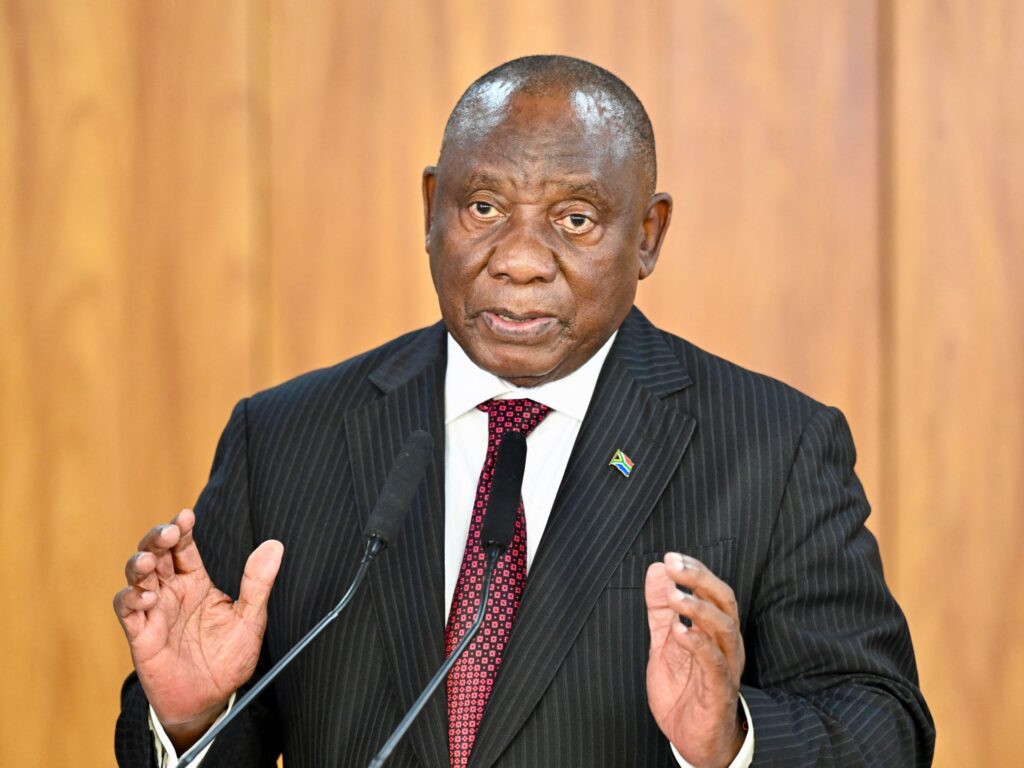
South Africa is on the brink of a significant political upheaval as its parliament announces the initiation of an impeachment probe against the president, triggered by the ‘Farmgate’ scandal. This development marks a critical moment in the nation’s democratic process, signaling intense scrutiny and accountability at the highest level of government.
The Speaker of Parliament has declared the commencement of procedures to establish an impeachment committee. This committee will be tasked with investigating the allegations against the president, which stem from the controversial ‘Farmgate’ incident. The scandal reportedly involves allegations of misuse of public funds and inappropriate conduct linked to a farm associated with the president.
The ‘Farmgate’ scandal has sparked widespread public and political debate, raising questions about governance, integrity, and the ethical responsibilities of elected officials in South Africa. It centers around claims that the president improperly benefited from resources or interventions related to a farming operation, leading to calls for transparency and justice.
The parliamentary Speaker’s role is pivotal in this process, as they oversee the formation of the impeachment committee, which will include members from various political parties. This committee will be responsible for a thorough investigation, gathering evidence, and ultimately making recommendations on whether the president should face impeachment based on the findings.
South Africa’s parliamentary procedures allow for the impeachment of a sitting president if found guilty of serious misconduct, failure to uphold the constitution, or other severe violations. The establishment of the impeachment committee is a formal step towards potentially holding the president accountable if the allegations are substantiated.
This move has sparked diverse reactions across South Africa’s political landscape. Supporters of the impeachment argue that it is a necessary measure to uphold the rule of law and maintain public trust in government institutions. They emphasize that no individual, regardless of position, should be above the law.
Conversely, critics caution against rushing the process, highlighting the need for a fair, unbiased investigation to prevent political manipulation or destabilization. They stress that the integrity of the impeachment process itself must be preserved to maintain democratic principles.
The ‘Farmgate’ scandal and the ensuing impeachment probe come at a challenging time for South Africa, which is grappling with economic hardships, social unrest, and the need for strong, stable leadership. The outcome of this investigation could have far-reaching implications for the country’s political stability and governance.
International observers and South African citizens alike are closely monitoring the developments. The impeachment probe represents not just a test of one individual’s leadership but a broader evaluation of South Africa’s democratic institutions and commitment to accountability.
As the parliamentary Speaker moves forward with setting up the impeachment committee, the nation awaits further updates on the investigation’s progress and its potential consequences for the presidency and the country’s future. This period of political scrutiny underscores the enduring importance of transparency, justice, and governance in South Africa’s democracy.