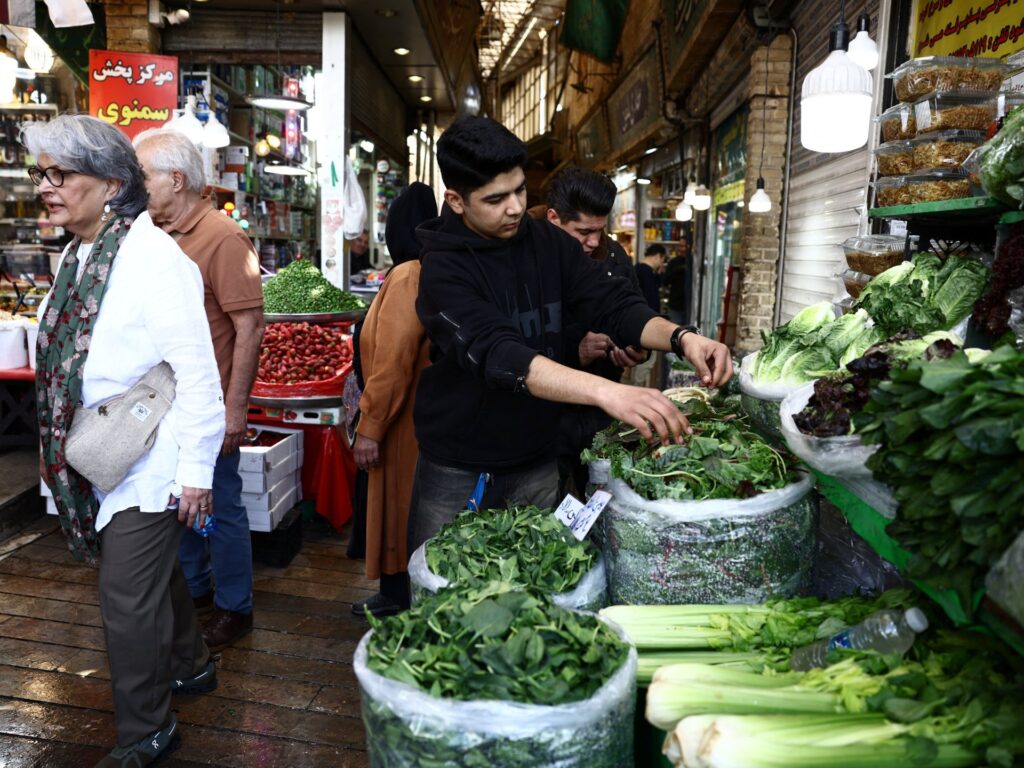
Iran is currently grappling with a severe food inflation crisis that has profoundly impacted its households. The country, already strained by ongoing conflict, is witnessing unprecedented surges in food prices, causing immense hardship for ordinary Iranians. This inflationary pressure is largely fueled by a combination of domestic economic challenges and external geopolitical factors.
One of the critical drivers behind the soaring food inflation in Iran is the steep depreciation of its national currency. The Iranian rial has lost significant value against major world currencies, making imports more expensive and pushing up overall prices in the domestic market. This currency devaluation has been exacerbated by stringent economic sanctions and a US-enforced naval blockade that restricts Iran’s trade routes.
The naval blockade by the United States has severely disrupted Iran’s ability to import essential goods, including food supplies and raw materials. This blockade has compounded the already fragile supply chain within the country, leading to scarcity and higher prices for staple foods. As a result, many Iranian families are struggling to afford basic nutrition, with food inflation outpacing wage growth and shrinking purchasing power.
The inflation crisis comes at a time when Iran is also burdened by war-related expenditures and internal socio-political unrest. These factors have contributed to economic instability, undermining confidence in the government’s ability to manage the economy and provide relief to its citizens.
Households are resorting to cutting back on food consumption and seeking cheaper alternatives to cope with the rising costs. Nutritional deficiencies are becoming an increasing concern, especially among vulnerable groups such as children and the elderly.
Experts warn that unless there is an easing of international sanctions and blockade measures, the situation in Iran could deteriorate further, leading to severe humanitarian challenges. They urge the international community to consider the impact of geopolitical actions on ordinary civilians and promote diplomatic efforts to alleviate the economic strangulation that Iranian households currently face.
In summary, the convergence of war, US-enforced naval blockade, currency collapse, and inflation has culminated in a harsh food crisis for Iran’s population. The country’s households are under intense pressure as they navigate escalating costs amidst limited resources, signaling a need for urgent economic relief and political resolution to restore stability and food security.