A year after the intense four-day conflict between India and Pakistan, both nations reflect on their strategic gains and losses amidst continued tensions. The brief but fierce skirmish, sparked by long-standing disputes, resulted in mixed outcomes for each side, shaping their military, political, and diplomatic landscapes.
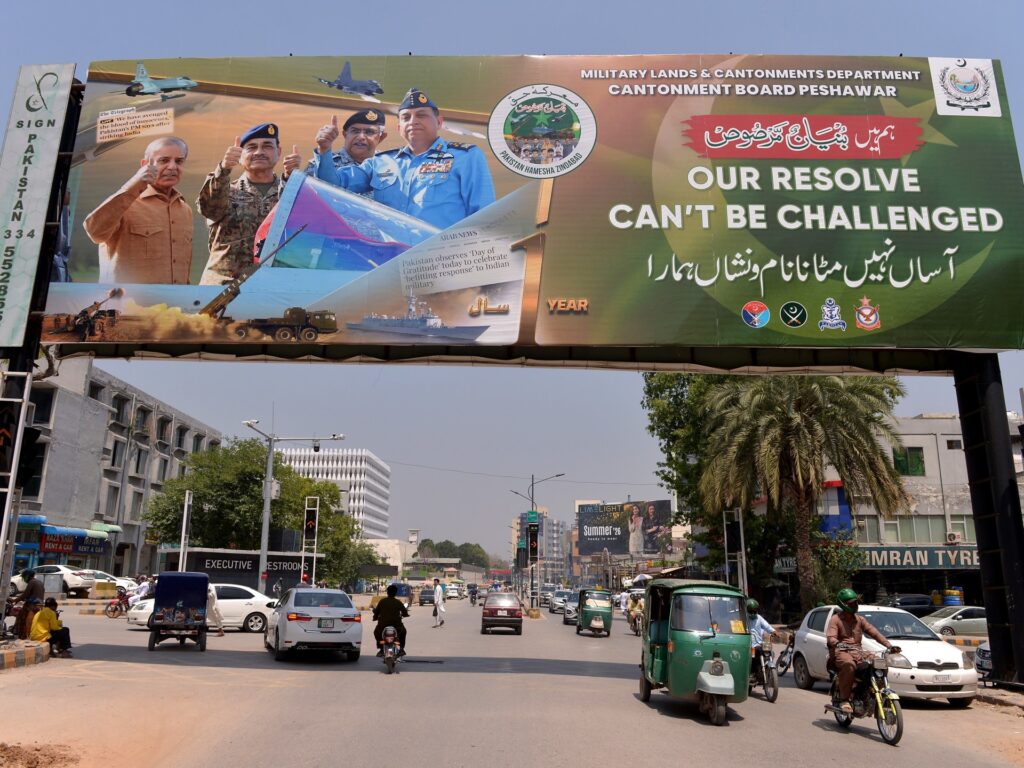
India and Pakistan each assert they achieved key strategic successes during the conflict. India claims to have significantly degraded militant infrastructure and affirmed its dominance in contested regions. Meanwhile, Pakistan highlights its defensive capabilities, successfully defending territory and showcasing resilience.
Despite these claims, the conflict also exposed vulnerabilities. India faced criticism over intelligence lapses and logistical challenges during operations. Pakistan struggled with economic pressures exacerbated by the conflict and global diplomatic isolation, particularly concerning its role in the region.
The war reaffirmed the volatility of India-Pakistan relations, underlining the persistent risk of escalation. Both countries have since bolstered their military preparedness and revised strategic doctrines. Enhanced surveillance and rapid response mechanisms are now central to their defense postures.
Diplomatically, the conflict strained already fragile peace efforts. Cross-border trade and people-to-people contacts remain limited, hindering normalization. International mediators urge renewed dialogue, emphasizing the importance of sustained engagement to prevent future conflicts.
On the societal front, the war galvanized nationalist sentiments in both countries, influencing political narratives and public opinion. Media coverage and government messaging often framed the conflict in terms of national pride and victimhood, complicating reconciliation efforts.
In the year following, humanitarian concerns have drawn attention, especially regarding displaced populations and families of fallen soldiers. Both governments face pressure to address these human costs while managing security imperatives.
Looking ahead, experts suggest that lessons learned from the conflict must translate into practical confidence-building measures. Strengthening communication channels, third-party monitoring, and mutual restraint could reduce the risk of inadvertent escalation.
As India and Pakistan commemorate the anniversary, the need for sober reflection and renewed commitment to peace is clear. While the strategic wins and losses define the immediate military outcomes, the broader imperative remains achieving lasting stability in a historically turbulent relationship.