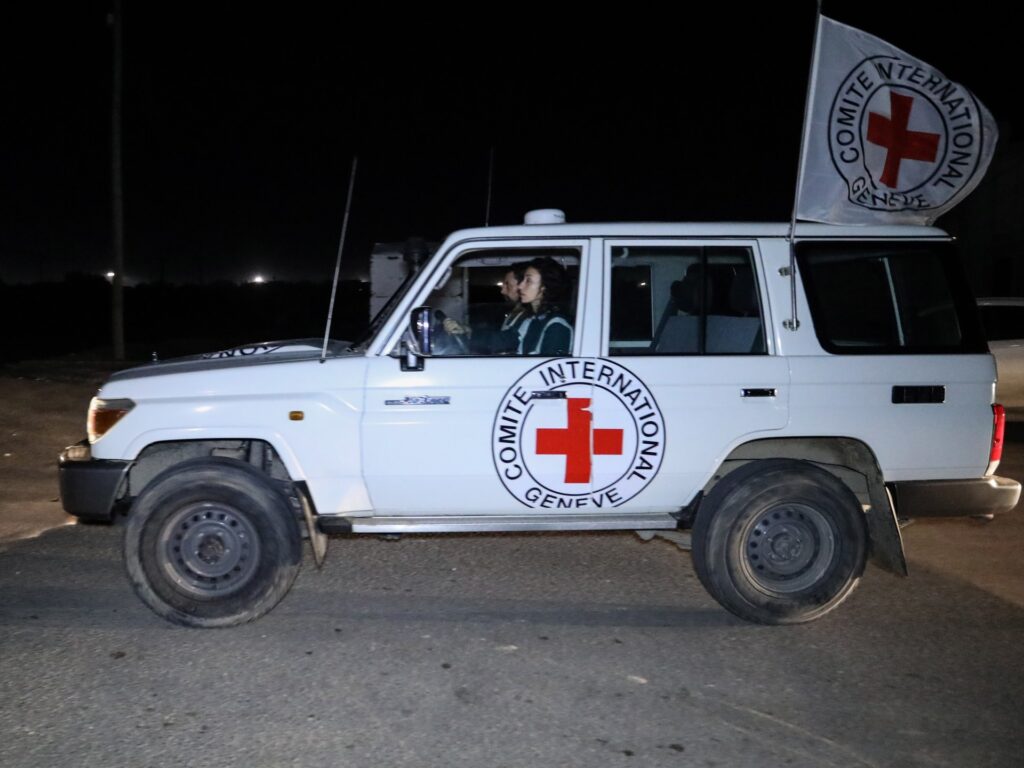
In a landmark ruling, Israel’s Supreme Court has overturned the government’s ban on prison visits by the International Committee of the Red Cross (ICRC) to Palestinians held in Israeli detention. The court affirmed that the ICRC must be allowed access to these prisoners in accordance with international law principles and humanitarian norms.
This decision comes amid ongoing tensions surrounding the rights and conditions of Palestinian detainees. The Israeli government had previously instituted a ban on such visits, citing security concerns. However, the Supreme Court’s ruling emphasizes the importance of maintaining transparency and protecting detainees’ rights through international oversight.
The ICRC has long played a crucial role in monitoring prison conditions worldwide, facilitating communication between detainees and their families, and ensuring compliance with international humanitarian conventions. Under international law, particularly the Geneva Conventions, organizations like the ICRC are entitled to unhindered access to individuals held in conflict or occupation contexts.
The Court noted that denying the ICRC access could exacerbate human rights concerns and potentially violate Israel’s commitments under international agreements. The ruling requires the government to promptly facilitate visits by ICRC representatives and ensure their unfettered ability to inspect Palestinian prisoners.
Human rights advocates and international observers welcomed the ruling as a step forward in upholding prisoners’ rights and reinforcing Israel’s accountability. Many see it as an affirmation of the critical role international humanitarian organizations play in conflict zones.
Legal experts suggest the decision sets an important precedent for strengthening legal protections for detainees held in contentious circumstances and under occupation.
The Israeli government must now revise its policies to comply with the court’s directive, allowing ICRC visits to resume. The ruling is expected to improve transparency regarding the conditions under which Palestinian prisoners are held and help monitor their treatment to prevent abuses.
This case highlights the ongoing complexities at the intersection of security, international law, and human rights in the Israeli-Palestinian context. The Supreme Court’s intervention underscores the judiciary’s role in balancing these dimensions to uphold the rule of law.
Continued oversight by the ICRC will serve as an important mechanism to ensure humanitarian standards are met and to provide impartial reports on prison conditions. Families of prisoners can also benefit from renewed communication facilitated through the ICRC.
Overall, the Supreme Court’s decision represents a significant affirmation of the protections afforded to prisoners under international humanitarian law and marks a meaningful development in the efforts to safeguard Palestinian detainees’ rights within the Israeli prison system.