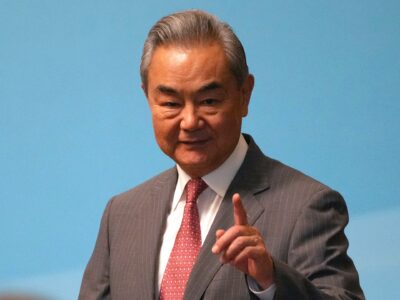
In a notable diplomatic engagement, Syria and Lebanon have reportedly made ‘significant progress’ during recent talks held in Damascus. The Lebanese Prime Minister and the Syrian President met to discuss and advance cooperation on several critical issues including security, transport, and energy.
These discussions mark an important step towards enhancing bilateral relations between the two neighboring countries, long linked by shared history and complex political dynamics. The talks were aimed at addressing challenges faced by both nations and exploring opportunities for mutual benefit.
Security was a primary topic of discussion, reflecting ongoing concerns about stability in the region. Both leaders underscored the importance of coordinated efforts to combat terrorism and ensure the safety of their citizens. This cooperation is seen as vital to fostering peace and preventing the resurgence of violence along their borders.
On the economic front, transport and energy were highlighted as areas ripe for collaboration. Improving transport links could facilitate trade and movement between the countries, boosting economic activity and connectivity. Both sides expressed interest in joint projects to enhance infrastructure and cross-border transit systems.
Energy cooperation, particularly in terms of electricity supply and resource sharing, was another focus point. Given the energy challenges faced by Lebanon, including power shortages, the discussions could pave the way for Syria to assist in stabilizing and augmenting Lebanon’s energy needs.
The progress made in these talks is being viewed as a positive signal towards rebuilding trust and cooperation that had been strained over years due to regional conflicts and political tensions. The Syrian President and Lebanese Prime Minister agreed to continue engaging in dialogue and to implement the outcomes of their discussions through concrete measures.
This development comes at a crucial time as both countries seek to address internal issues while navigating complex geopolitical landscapes. Enhanced collaboration in security, transport, and energy could not only benefit Syria and Lebanon but also contribute to wider regional stability.
Observers believe that sustained diplomatic efforts and practical cooperation could gradually ease longstanding tensions and foster a more integrated approach to shared challenges and opportunities.
As the dialogue progresses, the international community is watching closely, hopeful that these initial successes will lead to more robust partnerships and peaceful coexistence in this historically turbulent region. Continued engagement could set a precedent for resolving other regional disputes through negotiation and mutual respect.
In summary, the recent talks in Damascus are a hopeful indicator of the potential for Syria and Lebanon to work together on key strategic issues. Their commitment to addressing security challenges, enhancing transport links, and cooperating in energy matters could mark the beginning of a new chapter in their bilateral relations.