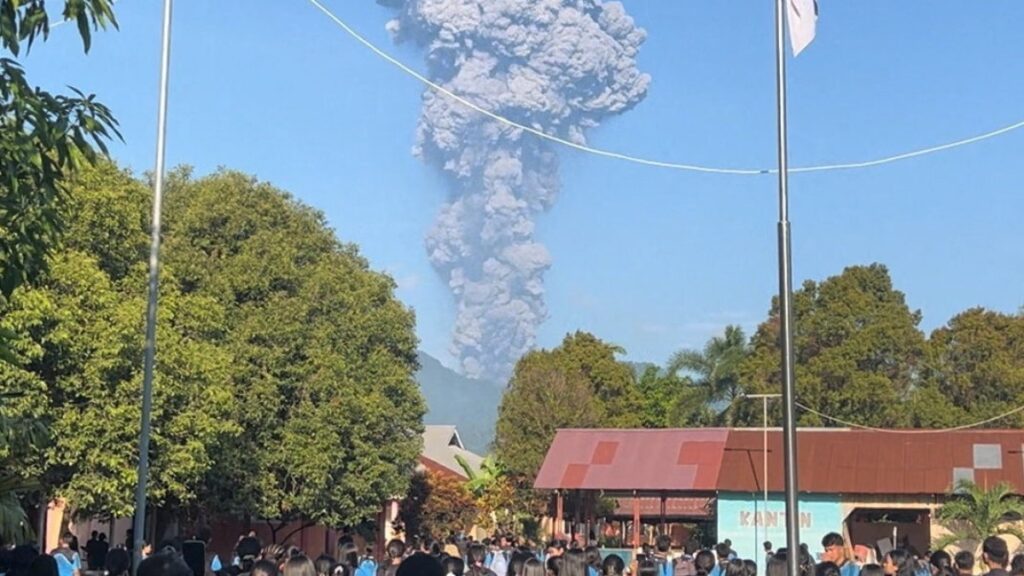
A devastating eruption of Mount Dukono on Halmahera Island, Indonesia, has resulted in the death of three individuals and left twenty hikers missing. The volcano, known for its frequent activity, erupted unexpectedly, trapping hikers who had ventured into the area despite official warnings and closure since April 17.
Mount Dukono, one of Indonesia’s most active volcanoes, has long been a site of both scientific interest and tourist attraction. However, authorities had closed the area to public access due to the increased volcanic activity reaching a critical alert level.
Despite the closure and multiple warnings, a group of hikers entered the restricted zone, drawn by the scenic but dangerous landscape. The eruption caught many by surprise, spewing ash, lava, and pyroclastic flows. Rescue operations were immediately launched once the eruption was confirmed, but the challenging terrain and ongoing volcanic activity have severely hampered efforts.
The three confirmed fatalities underscore the volatility and danger posed by Mount Dukono. Authorities continue to conduct search and rescue missions for the twenty missing hikers, but suspensions in some parts of the operation remain necessary due to safety concerns. Local government officials and disaster response teams have expressed their deepest condolences to the victims’ families and emphasized the importance of adhering to safety protocols in disaster-prone areas.
Indonesia sits on the Pacific Ring of Fire, making it one of the most volcanically active regions in the world. The incident at Mount Dukono is a stark reminder of the risks posed by natural disasters in the region and the need for vigilance, especially regarding restricted areas.
As rescue teams work tirelessly, the broader community is called upon to respect government travel advisories and understand the gravity of volcanic eruptions. Meanwhile, scientists continue to monitor Mount Dukono closely, hoping to better predict eruptions and prevent future tragedies.
The eruption has also raised concerns about the environmental impact on Halmahera Island, particularly on its local flora and fauna, which are vulnerable to such sudden natural disruptions.
In the coming days, authorities plan to review safety measures and communication strategies to better protect both residents and visitors from the dangers of volcanic activity. This tragic event serves as a powerful case study for volcanic risk management and public safety awareness in Indonesia and beyond.