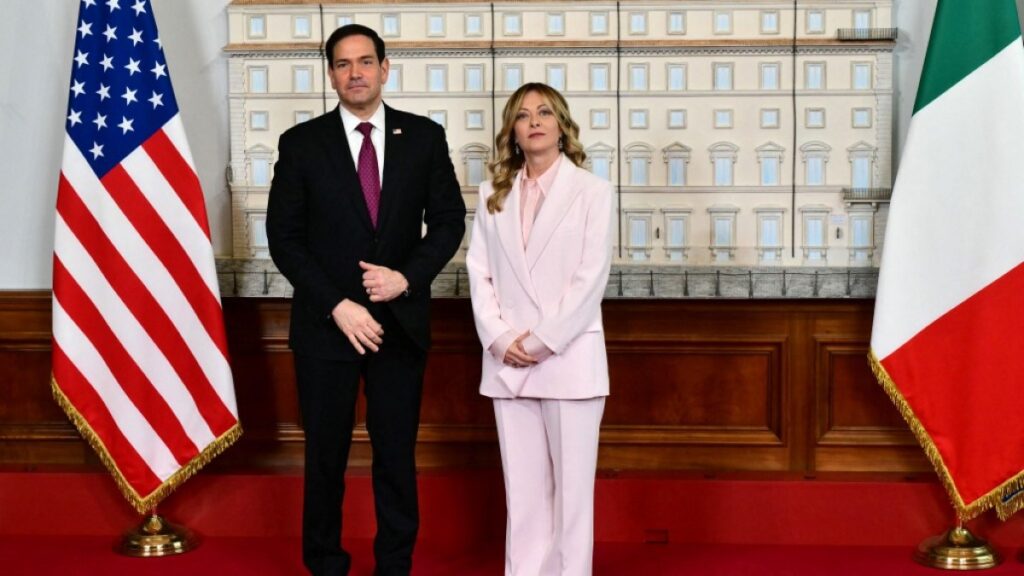
Italy and the United States, long-standing allies, are currently facing diplomatic strains aggravated by recent global and regional developments. The ongoing war involving Iran has significantly impacted the alliance, introducing complexities that Rome must navigate carefully. Meanwhile, the presence and influence of the Pope play a subtle yet pivotal role in shaping Italy’s stance and diplomatic engagements.
The conflict surrounding Iran has not only jeopardized political stability but also led to substantial economic repercussions. Italy, tethered closely to US foreign policy, finds itself walking a diplomatic tightrope as it balances its alliance commitments with increasing domestic pressures. Economic fallout from the Iran conflict has manifested through disrupted trade routes, uncertainty in energy supplies, and inflationary pressures that affect the Italian economy.
Domestically, Italy is experiencing a surge in public concern and political debates centered on the ramifications of involvement or perceived support in the ongoing Iran war. These discussions are further complicated by the Catholic Church’s moral and humanitarian perspectives, largely influenced by the Pope. The Vatican’s role as a moral compass adds a unique dimension to Italy’s foreign policy considerations, encouraging peace and dialogue over confrontation.
The Pope’s influence is particularly significant in Italy, where the Church holds considerable sway over public opinion and political discourse. His messages during this period have emphasized the urgent need for peace, warning against the perils of extended conflict and the humanitarian crises it precipitates. This spiritual leadership pressures Italian policymakers to seek balanced approaches that uphold both international commitments and ethical responsibilities.
In response to these multifaceted challenges, the Italian government has initiated a series of diplomatic engagements aimed at mitigating the tensions with the US while addressing domestic concerns. These efforts include dialogues centered on shared security interests, economic cooperation to alleviate wartime economic impacts, and humanitarian outreach in regions affected by the Iran war.
Italy’s balancing act underscores the broader challenges facing nations caught between global superpowers and regional conflicts. It highlights the intricate interplay between international alliances, domestic political landscapes, and the unique influence of religious leadership in shaping state policies.
As the situation evolves, both Italy and the US are expected to continue dialogues focused on strengthening their alliance while navigating the complex realities of the Iran war. The outcome will likely set precedents for how middle powers manage relationships amid great power tensions and regional upheavals.
In summary, Italy’s current diplomatic landscape illustrates the strain in US ties exacerbated by the Iran war and the profound impact of the Pope’s moral authority. Rome’s navigation through this challenging period reflects a broader global narrative of balancing power, ethics, and economic stability amidst conflict and uncertainty.