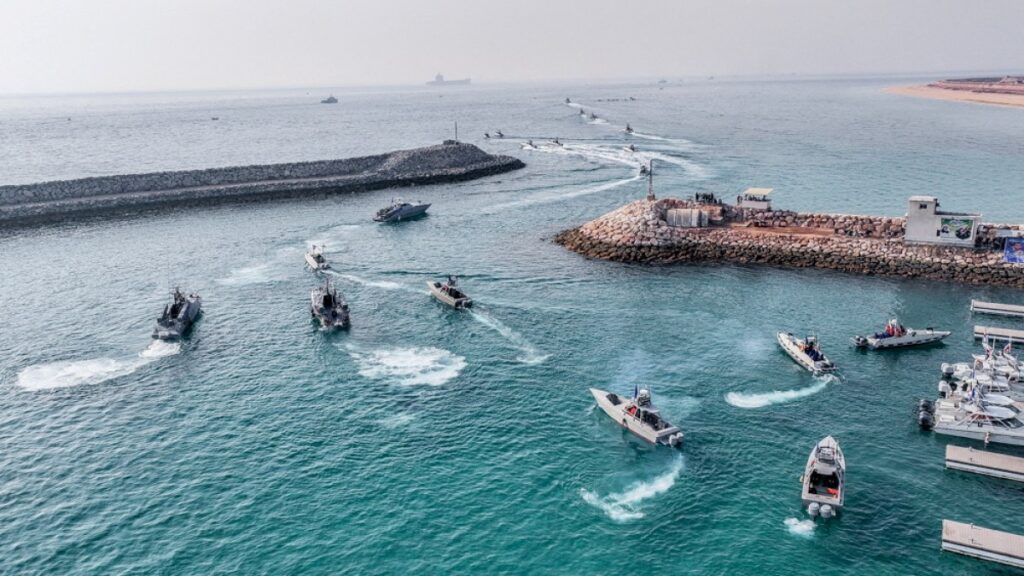
In a recent development in the Gulf of Oman, Iranian state television has released footage showing forces from the Islamic Revolutionary Guard Corps (IRGC) boarding and detaining an oil tanker named Ocean Koi, which is registered under the Barbados flag. According to Iran, the vessel was seized for what it described as “offending” actions in the strategically crucial maritime area. The video broadcast by state media depicts IRGC personnel in action as they take control of the tanker, highlighting Iran’s continued enforcement activities in regional waters.
The Gulf of Oman is a vital maritime route, serving as a gateway to the Strait of Hormuz through which a significant portion of the world’s oil supply is transported. Given its location and importance, the area frequently witnesses heightened military and political tensions, especially involving Iran and other global maritime actors.
While Iran has termed the vessel’s conduct as ‘offending,’ detailed specifics about the tanker Ocean Koi’s activities that prompted the seizure have not been fully disclosed. The tanker, flagged under Barbados, raises questions about the complexities of maritime law and the responsibilities of flag states in monitoring vessels. This incident comes amid heightened geopolitical tensions in the region, often involving sanctions, shipping safety concerns, and territorial disputes.
The Iran Revolutionary Guard Corps’ role in securing Iranian interests in the Gulf has been prominent in recent years, frequently involving patrols and the interception of vessels Iran accuses of threatening national security or violating international guidelines. Such actions have sparked international discussions on maritime security, freedom of navigation, and lawful conduct in international waters.
The seizure of Ocean Koi adds to a series of similar detentions and confrontations in the Gulf of Oman and the wider Persian Gulf, underscoring ongoing challenges in this volatile region. The international community, especially countries reliant on maritime oil transit, closely monitors such incidents given their potential impact on global oil markets and regional stability.
In response to the seizure, there might be diplomatic communications between Iran, Barbados, and possibly other countries involved, including owners and insurers of the tanker. These dialogues are critical in resolving disputes, ensuring maritime safety, and preventing escalation.
The incident reiterates the complex interplay between maritime law, national security interests, and international diplomacy in one of the world’s most sensitive shipping lanes. Awareness and monitoring of such events remain crucial for understanding broader regional dynamics and their implications on global commerce and security.