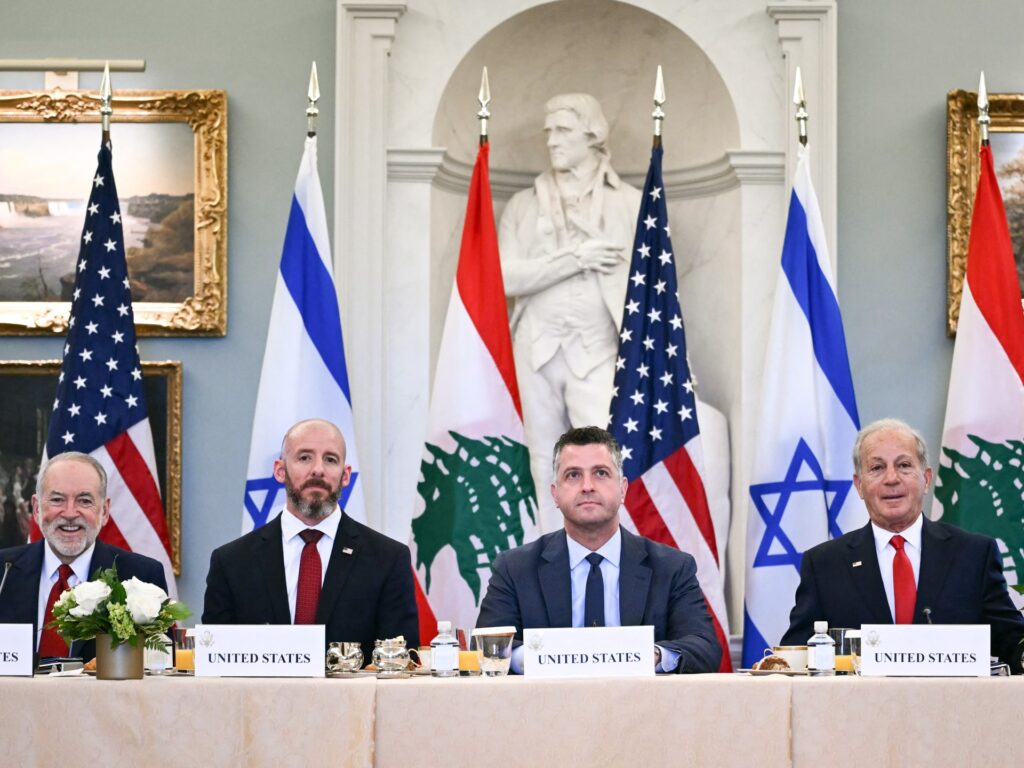
Lebanon is once again under the spotlight as it ushers in a new ceasefire agreement, raising hopes for peace yet shadowed by uncertainty even before its implementation. This truce, distinct from the previous agreement reached in April, introduces new dynamics and challenges that could shape the country’s fragile stability.
The April agreement sought to cool tensions through a broad ceasefire with the participation of key factions across Lebanon. However, this latest truce differs in its approach and the context surrounding it. While the April deal focused heavily on direct military engagement and aimed at immediate conflict zones, the newest agreement expands its scope to address a wider spectrum of political and sectarian disputes fermenting unrest.
Key to this difference is the involvement of new regional mediators who have brought fresh perspectives and pressures. The current truce reflects a more complex balancing act among Lebanon’s diverse groups and foreign influencers. This broader mediation attempt aims to tackle deep-rooted grievances that go beyond ceasefire lines, including political representation and economic reforms.
Despite these ambitious goals, the truce’s prospects look uncertain. Observers point to the lack of trust among factions, recent escalations in sporadic violence, and the fragile state of Lebanon’s institutions. These factors cast doubt on the truce holding firm once active enforcement begins.
Compared to April, which saw some short-term compliance but ultimately fragmented due to lack of a comprehensive framework, the current agreement proposes more structured monitoring mechanisms. These include joint patrols and international observers designed to verify adherence and mediate disputes promptly.
However, the implementation faces obstacles. Political leadership in Lebanon remains divided, and some factions are skeptical of the truce’s longevity. Economic hardship further complicates the situation by fueling public discontent, which could manifest in unrest that undermines peace efforts.
Stakeholders express cautious optimism, emphasizing that for this truce to succeed, it must be accompanied by swift political dialogue and tangible economic support. External actors are urged to support Lebanon not only by upholding the ceasefire but also by helping to stabilize the broader context that fuels conflict.
In summary, Lebanon’s latest truce differs from the April agreement in scope, mediation, and enforcement provisions. While it promises a more holistic approach to peace, the road ahead remains fraught with challenges. The international community and Lebanon’s actors alike face the critical task of nurturing this fragile peace before it slips away amidst renewed tensions.