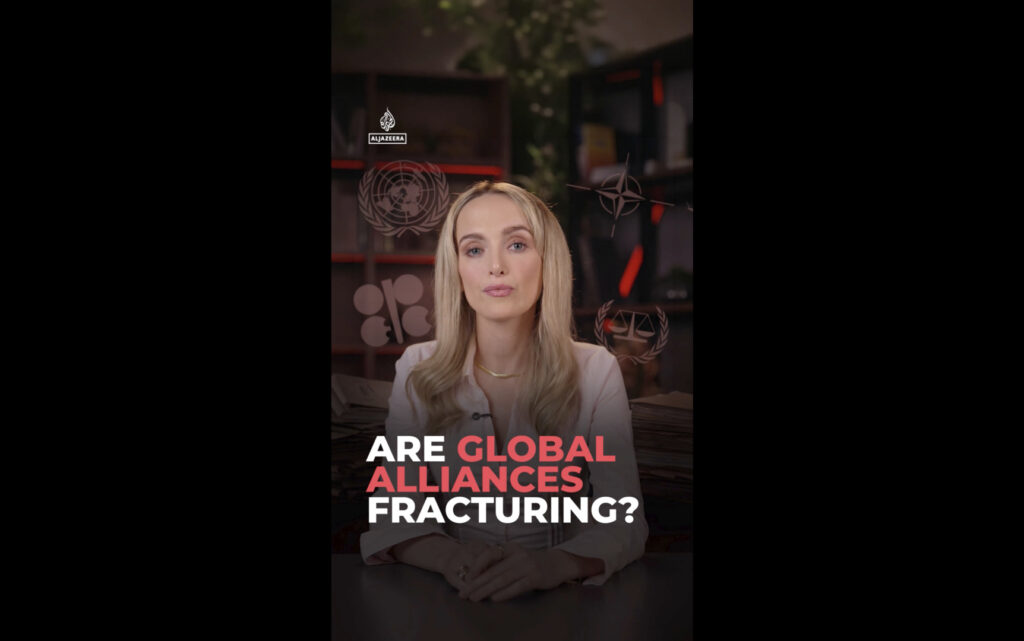
In recent times, global alliances such as NATO and OPEC appear to be under unprecedented strain, raising questions about the stability of international cooperation. Historically, these alliances have played crucial roles in maintaining geopolitical balance and ensuring economic stability. However, evolving political, economic, and strategic interests among member nations are challenging their cohesion.
NATO, the cornerstone of transatlantic security, is facing internal disagreements among its members on defense spending, strategic priorities, and responses to emerging threats. The divergence in threat perception between Eastern and Western member states has intensified debates on the alliance’s future direction. Meanwhile, varying approaches to major global players have caused friction, complicating unified action.
OPEC, on the other hand, grapples with the varied interests of oil-producing nations amid shifting energy markets. The rise of renewable energy and fluctuating global demand have destabilized traditional oil revenue models, prompting some member countries to reconsider their commitments. Internal disputes over production quotas and market strategies have further exposed cracks in the alliance.
Beyond NATO and OPEC, other global alliances face similar challenges. Economic blocs are strained by protectionist trends and differing national priorities, while multilateral institutions struggle to adapt to a rapidly changing geopolitical environment. The rise of nationalism and unilateralism in several countries undermines the collaborative spirit that these alliances depend on.
These fractures in global alliances could have profound implications. They may lead to reduced effectiveness in addressing global issues such as security threats, climate change, and economic instability. The erosion of trust and cooperation among key international players risks creating power vacuums that could be exploited, increasing the potential for conflict and instability.
Nevertheless, not all signs point to decline. Some alliances are seeking reforms and new frameworks for cooperation to better address contemporary challenges. Dialogues aimed at enhancing transparency, mutual understanding, and shared goals are ongoing. The future of global alliances may hinge on their ability to adapt and reconcile divergent interests.
In conclusion, while global alliances like NATO and OPEC show signs of strain amid shifting political and economic landscapes, their essential roles in fostering international stability remain. How these alliances evolve will significantly shape global order in the years to come. The international community watches closely as these pivotal relationships are tested, hoping for resilience rather than rupture.