Tensions continue to escalate in the ongoing Iran-US conflict, with recent developments bringing both sides into sharp confrontation. Former US President Donald Trump has stated that the ceasefire agreement between Iran and the United States is still ‘in effect,’ despite recent hostilities reported between the two nations.
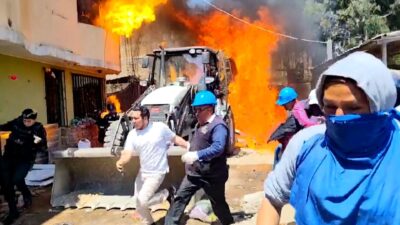
The conflict has recently intensified with Iran accusing the United States of breaching the ceasefire. Iran claims that the US targeted Iranian vessels and conducted strikes on coastal areas, actions that Tehran views as clear violations of the ceasefire terms.
These accusations have added a new layer of complexity to an already volatile situation, raising concerns about the potential for further military engagement. The US has not yet formally responded to the allegations, keeping diplomatic observers on alert.
Donald Trump’s remarks underscore his administration’s stance on the ceasefire’s legitimacy and the importance of maintaining peace despite ongoing disputes. However, the contrasting narratives from both countries point to a fragile situation where misinformation and military actions could quickly spiral out of control.
The international community remains watchful as these events unfold, emphasizing the urgency of dialogue and negotiation to prevent a full-scale conflict. Observers note that the violation allegations, if substantiated, could undermine trust and derail ongoing peace efforts.
Iran’s strategic location and its control of key maritime routes make the conflict particularly concerning for global security, especially regarding oil supply routes. Any disruption could have significant economic repercussions worldwide.
Efforts for de-escalation have been proposed by various diplomatic channels, highlighting the need for restraint and adherence to international agreements. These efforts aim to bring both parties back to the negotiating table and establish a more durable peace framework.
In the meantime, residents in affected coastal regions are bracing for the possibility of further strikes, with local authorities increasing security measures to protect civilians. The humanitarian implications of continued conflict are increasingly severe, prompting calls for international aid and intervention.
As the situation develops, experts warn that vigilance and proactive diplomacy are critical to preventing a broader war. Both countries stand at a crossroads, with the choices they make in the coming days likely to define the trajectory of Iran-US relations for years to come.