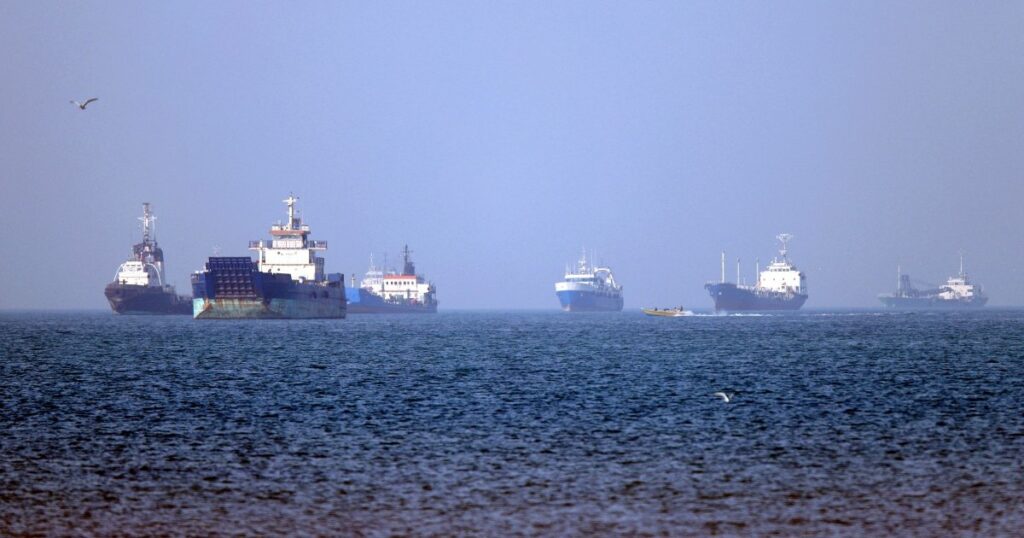
Tensions in the Gulf region have escalated, leading to the closure of the vital Strait of Hormuz, a crucial chokepoint for global oil transportation. This development has left approximately 20,000 seafarers stranded, caught in a state of uncertainty and distress as they await resolution amid ongoing diplomatic talks between the United States and Iran.
The Strait of Hormuz is one of the world’s most important maritime passages, funneling nearly a fifth of all global oil shipments. Its closure disrupts international trade and energy supplies, contributing to economic instability worldwide. The current stranding of seafarers highlights the human impact of geopolitical conflicts.
Many of these seafarers, coming from diverse nations, are unable to disembark or return home due to the blockade and increased security measures. Ports in the region remain inaccessible, and shipping companies face unprecedented challenges in managing their crews and vessels.
The United States and Iran are reportedly engaged in talks aimed at de-escalating tensions and possibly reaching a peace agreement to reopen the Strait. Diplomats emphasize the significance of the dialogue, stressing that a peaceful resolution could restore maritime security and safeguard the livelihoods of thousands of maritime workers.
Humanitarian concerns have been raised by international organizations, which call for urgent intervention to assist stranded seafarers. Aid groups advocate for safe passage and provisions, highlighting the psychological and physical toll prolonged isolation at sea can have on crew members.
Economic experts warn that the prolonged closure of the Strait of Hormuz could lead to soaring oil prices and disruption in global markets. Industries dependent on uninterrupted fuel supplies are bracing for potential supply chain disruptions.
Efforts to maintain international maritime law and freedom of navigation are under the spotlight as the world watches closely. The ongoing dialogue between the US and Iran is seen as a potential turning point that could stabilize the region and set a precedent for conflict resolution through diplomacy.
Meanwhile, stranded seafarers remain in limbo, facing uncertain futures. Their plight underscores a broader narrative of how geopolitical disputes translate into tangible hardships for individuals at the frontline of global commerce.
As both nations weigh the terms of a possible peace deal, the international community hopes for a swift resolution that prioritizes both security and humane treatment of the seafarers caught in this complex geopolitical impasse.”}}]}]}