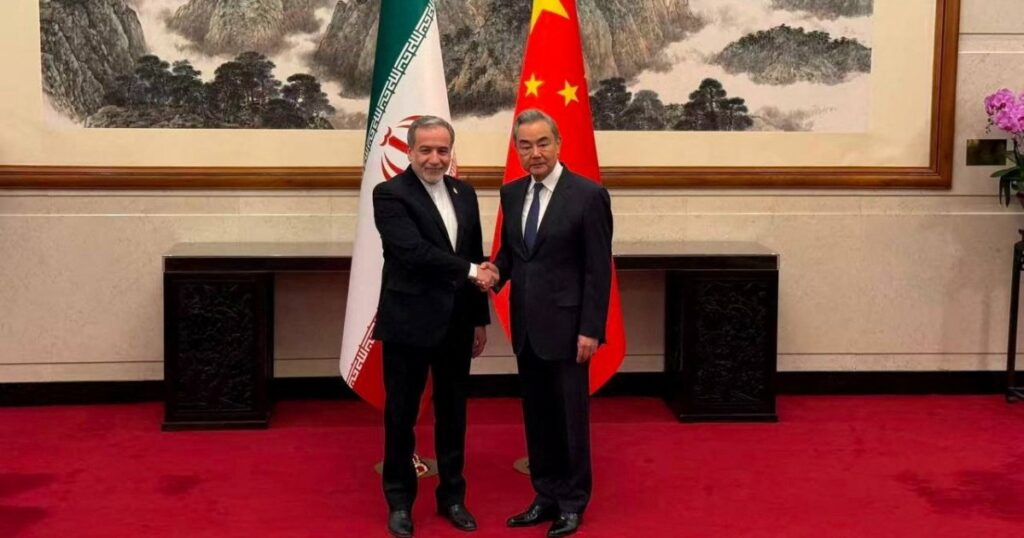
In a critical diplomatic engagement, China has called for an end to the ongoing conflict involving Iran and has emphasized the urgent need to reopen the strategic Strait of Hormuz. The call came during a visit by Iran’s Deputy Foreign Minister Abbas Araghchi to Beijing, highlighting the increasing diplomatic activity ahead of a significant visit by U.S. President Donald Trump to China.
The discussions between Iran and China underscore the complex geopolitical dynamics playing out in the Middle East and their wider implications for global security and energy supply routes. The Strait of Hormuz, a vital corridor for global oil shipments, has been at the center of tensions, affecting international markets and energy prices.
During the meeting, Chinese Foreign Minister Wang Yi stressed the importance of dialogue and peaceful resolution of disputes in the region. He urged all parties involved in the conflict to work toward de-escalation and to ensure the free flow of commerce through the Strait of Hormuz, which is crucial for the global economy.
Abbas Araghchi, representing Tehran, brought attention to the severe impacts of the conflict on Iran and the region. He expressed hope that China’s involvement would encourage a diplomatic solution to the tensions and promote stability. The diplomatic exchange took place as both countries seek to strengthen their bilateral ties amid growing international pressures and sanctions on Iran.
The timing of Araghchi’s visit is particularly significant, coming just one week before President Donald Trump’s scheduled trip to Beijing. This visit is expected to address a range of strategic issues, including U.S.-China trade relations and regional security concerns, especially those linked to Iran and North Korea.
China’s approach reflects its broader strategy of positioning itself as a mediator in international conflicts while safeguarding its interests in energy security and regional stability. As one of Iran’s key economic partners, China is deeply invested in ensuring that the Gulf region remains stable and accessible for trade.
Analysts suggest that China’s call for the reopening of the Strait of Hormuz is aimed at reducing the risk of disruptions that could impact global oil supplies and economic stability. The Strait is a strategic chokepoint where a significant portion of the world’s petroleum passes; any closure or threat to its accessibility could have severe consequences worldwide.
The visit by Abbas Araghchi and the bilateral talks with his Chinese counterpart mark a pivotal moment in diplomatic efforts to mitigate conflict tensions. It is hoped that the outcomes of these discussions will pave the way for renewed dialogue and concrete steps toward peace in the region.
In conclusion, China’s appeal to end the Iran war and reopen the Strait of Hormuz during the high-profile diplomatic encounter reinforces the country’s commitment to fostering peace and stability at a time of heightened geopolitical risks. The international community continues to watch closely as these discussions unfold ahead of President Trump’s important diplomatic visit to Beijing.