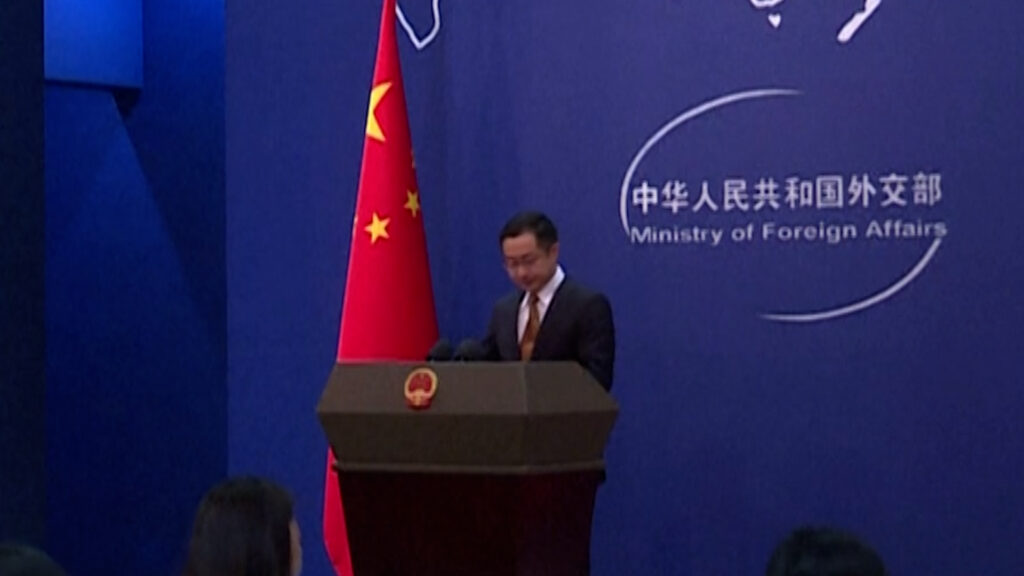
In a significant diplomatic development, China has called for a ‘complete’ end to the ongoing conflict involving Iran. The Chinese government emphasized the importance of peaceful resolution and dialogue, urging all parties involved to cease hostilities immediately. China’s stance reflects its broader foreign policy goals of promoting stability and avoiding escalation in volatile regions.
The call from China comes amid escalating tensions and conflicts in the Middle East, where Iran has been a focal point of numerous geopolitical disputes. Beijing’s appeal highlights the international community’s growing concern over the regional instability caused by armed confrontations.
Chinese officials stressed that war and violence are detrimental to the interests of not only the countries directly involved but also to global peace and economic stability. They advocated for diplomatic engagement, negotiations, and respect for sovereignty as the primary means to address disputes.
This call also aligns with China’s increased diplomatic role in the Middle East, as the country seeks to expand its influence through peaceful initiatives rather than military involvement. China has been engaging with Iran and other regional actors through economic partnerships and political dialogue.
Analysts suggest that China’s position might also be influenced by its strategic interests in maintaining a stable environment for Belt and Road Initiative projects that pass through the region. Stability in Iran and its surroundings is crucial for the success of these infrastructural and trade endeavors.
The appeal for a complete end to war underscores the urgent need for a comprehensive approach to peace in the Middle East. It sends a message that international players are watching closely and demand an end to conflicts that have long-lasting humanitarian and economic consequences.
In summary, China’s call represents a critical moment in international diplomacy, urging for a definitive cessation of war in Iran to pave the way for lasting peace and regional stability.