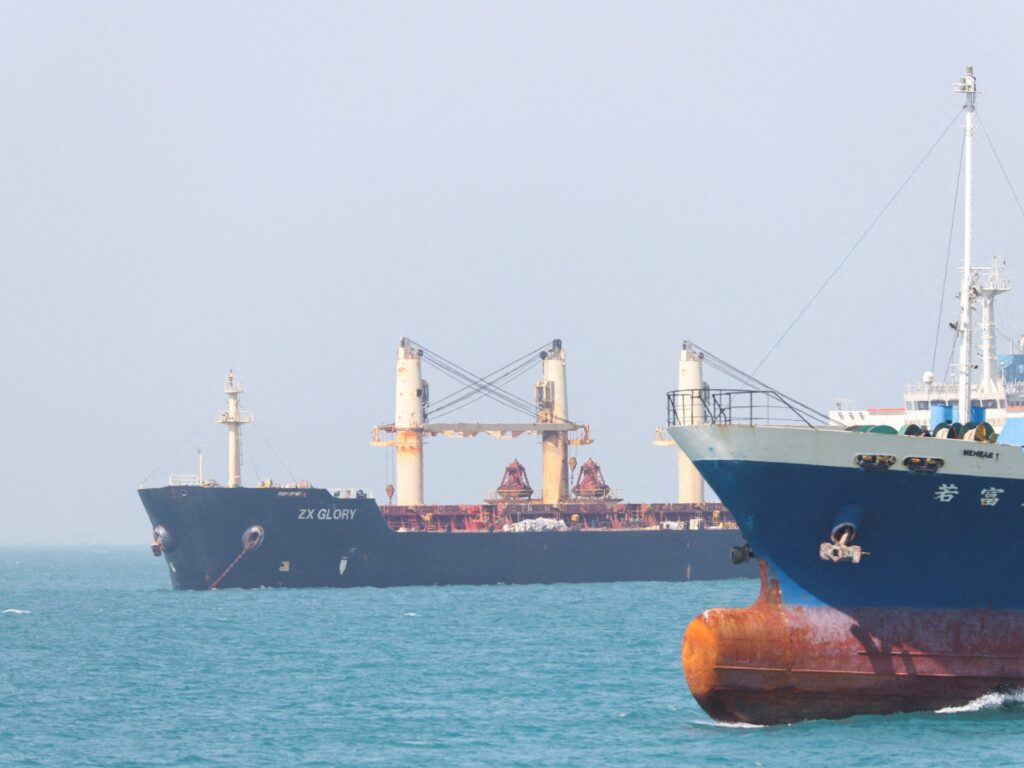
In a significant move towards diplomatic engagement, US President Donald Trump has announced the suspension of ‘Project Freedom,’ a critical US operation in the Strait of Hormuz. This decision marks a pivotal effort to pave the way for potential negotiations and a possible agreement with Iran. The Strait of Hormuz, a strategic waterway through which a substantial portion of the world’s oil supply is transported, has been a focal point of geopolitical tensions between the United States and Iran. The US military presence in the region was intended to ensure the free flow of maritime traffic and safeguard energy supplies. However, the Trump administration’s latest decision reflects a shift from military posturing to diplomatic outreach. President Trump emphasized that the suspension is temporary and primarily aimed at creating an environment conducive to finalizing and signing an agreement with Iran. This approach underscores a willingness to explore diplomatic solutions amidst ongoing regional uncertainties and sanctions-related pressures on Tehran. The announcement was met with cautious optimism by international observers who see it as an opportunity to reduce tensions and foster dialogue. Critics, however, remain skeptical about Iran’s response and the feasibility of achieving a lasting agreement given historical mistrust and complex regional dynamics. The move also comes amid broader US foreign policy recalibrations in the Middle East, as Washington seeks to balance security concerns with diplomatic engagement. By pausing ‘Project Freedom,’ the US signals a potential thaw in relations that could lead to renewed negotiations over Iran’s nuclear program and regional behavior. The international community is closely watching developments in the Strait of Hormuz, aware that stability in this corridor is crucial for global energy markets. The Trump administration’s strategy to suspend military operations in favor of diplomatic progress reflects a nuanced approach, aiming to achieve tangible outcomes with Iran. If successful, this initiative could set a precedent for addressing other security challenges in the region through negotiation rather than confrontation. This pause also raises questions about the future role of the US military in protecting global shipping lanes and the extent to which diplomatic efforts will be prioritized moving forward. The outcome of ongoing talks could significantly influence US-Iran relations and broader Middle Eastern geopolitical dynamics. Stakeholders, including allies and regional partners, await further clarity on the terms and conditions of any potential agreement. Ultimately, the suspension of the US operation in the Strait of Hormuz represents a calculated risk by the Trump administration, balancing the urgency of de-escalating tensions with the hope of securing a meaningful and enforceable deal with Iran. As negotiations proceed, the world remains hopeful for progress that ensures peace and stability in a region critical to the international community.