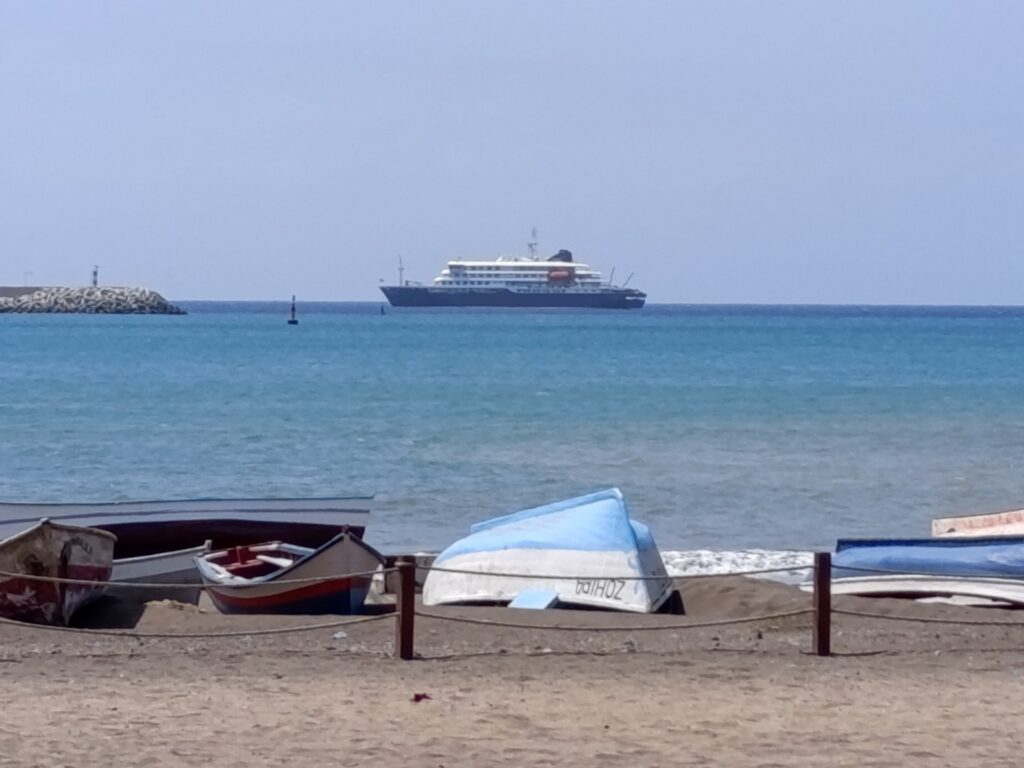
The Spanish government has granted permission for a cruise ship affected by a hantavirus outbreak to dock in the Canary Islands, marking a critical step in addressing the health emergency on board. The outbreak has been severe, resulting in the tragic deaths of three individuals since April. The situation aboard the ship remains urgent, with two crew members in particular requiring immediate medical care due to the severity of their infections.
Hantavirus is a serious and sometimes fatal respiratory disease transmitted by rodents. The virus can spread to humans through contact with contaminated rodent urine, droppings, or saliva, as well as by inhaling aerosolized virus particles. Cruise ships, with their large and diverse populations and confined environments, can experience rapid transmission of such infectious diseases if proper control measures are not implemented promptly.
Spanish health authorities have been closely monitoring the situation since the initial cases were reported. The decision to allow the cruise ship to dock was made after thorough consultations among health experts and officials to ensure that appropriate medical facilities and containment measures are in place to handle the outbreak. This move aims to provide timely medical intervention for those affected and to prevent any further spread of the virus to the local population.
The two crew members requiring urgent care are being prioritized for evacuation to specialized medical centers, where they can receive targeted treatment to combat the hantavirus. Health teams are also conducting extensive screening and testing of all passengers and crew members to identify additional cases and implement quarantine protocols as needed.
This incident highlights the ongoing challenges of managing infectious diseases on cruise ships, which operate in close quarters and have passengers and crew from diverse geographic regions. Authorities are reinforcing sanitation measures, rodent control protocols, and education campaigns to reduce the risk of hantavirus and other similar infections.
The Canary Islands, a popular tourist destination, are now on heightened alert, working with national and international health organizations to monitor the situation closely. Officials emphasize that while the risk to the general public remains low, vigilance is critical to ensure the safety and health of both residents and visitors.
In response to the outbreak, cruise operators are reviewing their health and safety procedures, with increased focus on early detection, response strategies, and communication plans to manage potential infectious disease incidents effectively in the future.
The handling of the hantavirus outbreak in the Canary Islands cruise ship case serves as an important reminder of the necessity for global preparedness and coordination in tackling infectious diseases that can quickly cross borders through travel and tourism. Continued collaboration between health authorities, the maritime industry, and local governments is essential to safeguard public health while supporting the vital tourism sector.
As investigations continue, further updates are expected regarding the condition of affected individuals and the measures taken to contain the outbreak. The situation also underscores the importance of maintaining robust surveillance systems and emergency response frameworks within the cruise industry to protect passengers, crew, and host communities worldwide.