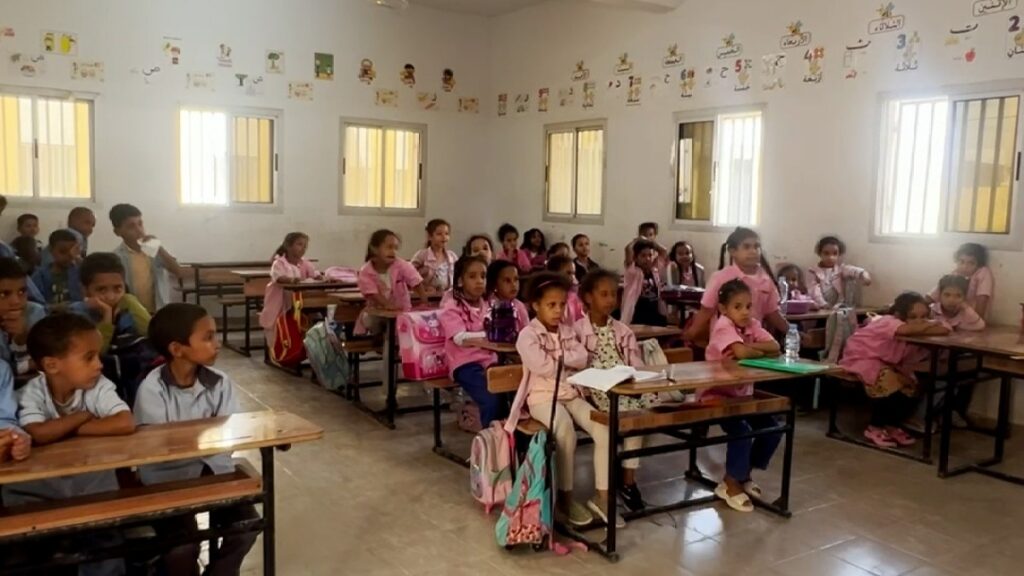
Mauritania’s government recently announced a significant policy shift aimed at shutting most private primary schools and relocating students to free public schools. This move has ignited considerable controversy and backlash from various stakeholders across the nation.
The plan, as outlined by government officials, is positioned as an effort to strengthen the public education system and ensure equitable access to education for all children. By closing private schools, the government aims to consolidate resources and enhance the quality of instruction in public institutions, which are tuition-free.
However, the proposal has met strong opposition from parents, private school owners, educators, and civil society organizations. Many of these groups argue that private schools play a crucial role in providing quality education and serving communities where public schools are either overcrowded or under-resourced.
Parents have expressed concerns about the capacity of public schools to absorb a sudden influx of students without a corresponding increase in infrastructure, teachers, and educational materials. There is fear that this transition could degrade educational quality and overwhelm existing public school facilities.
Private school operators contend that the government’s plan threatens the sustainability of their institutions, many of which have long served local communities. They argue that rather than shutting down private schools, partnerships between public and private sectors could be developed to improve overall education standards.
Education experts note that while the goal of universal access is commendable, the manner in which the closures are being handled raises questions about planning and stakeholder engagement. Properly funded and equipped public schools are essential before such an extensive transition can be successful.
The backlash has also underscored broader issues related to governance, educational equity, and the role of private enterprise within Mauritania’s education sector. Some critics view the move as a government attempt to centralize control over education at the expense of diversity and innovation.
In response to the outcry, government officials have stated that the plan will be implemented gradually, with steps taken to upgrade public school infrastructure and increase teacher recruitment and training. They emphasize the importance of education as a national priority and the need to ensure quality education for every child.
Nevertheless, many stakeholders remain skeptical about whether the public education system can be adequately prepared to meet the demands posed by this policy. The ongoing debates highlight the complex challenges Mauritania faces in balancing educational access, quality, and sustainability.
As the situation unfolds, it will be crucial for the government to engage meaningfully with communities, educators, and private school leaders to address concerns and collaborate on solutions that serve the best interests of Mauritania’s children.
The controversy surrounding the planned closure of private primary schools serves as a reminder of the delicate balance required in education policy-making, especially in countries striving to expand access while maintaining quality.
Mauritania’s experience may offer valuable lessons to other nations facing similar challenges in education reform, illustrating the importance of inclusive dialogue, careful planning, and adequate resource allocation when implementing transformative policies.
In summary, the plan to close most private primary schools in Mauritania is a bold move that has sparked significant opposition. The government’s intent to strengthen public education is clear, but the path forward demands careful management and cooperation to ensure that all children receive a quality education without disruption.