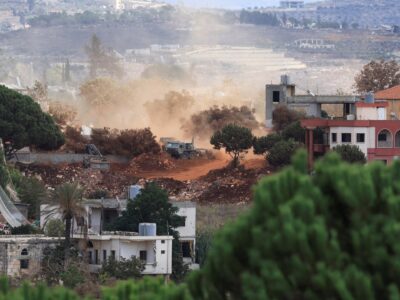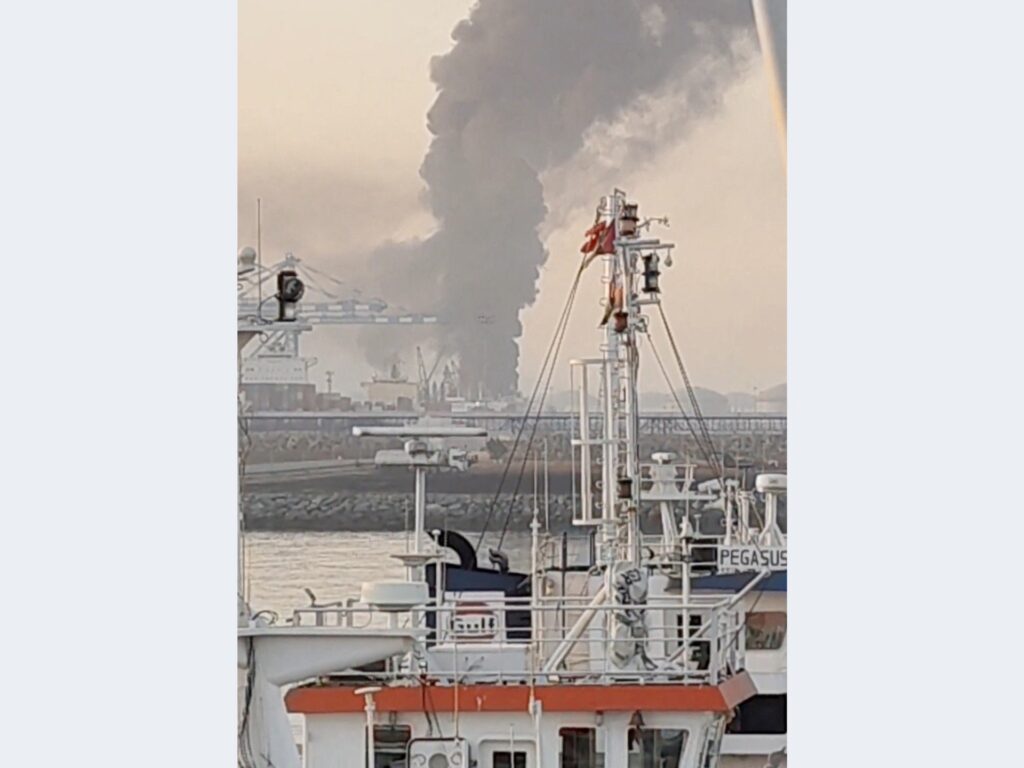
The United Arab Emirates (UAE) has reportedly come under attack from Iranian forces for the second consecutive day, according to statements from the UAE Ministry. These developments mark a serious escalation in regional tensions, drawing widespread attention from international observers.
The UAE Ministry confirmed that the country experienced missile and drone operations attributed to Iran, signaling a continuation of hostilities in the Gulf region. Such attacks have raised concerns over the security of vital infrastructure and the safety of civilians in the UAE.
However, Iran has categorically denied involvement in any recent missile or drone operations against the UAE. Iranian officials stated that the country’s forces have not conducted any attacks on the UAE in recent days. This conflicting narrative highlights the complexity of the geopolitical situation and complicates efforts to establish clear accountability.
The allegations of attacks come amid a backdrop of existing tensions between Iran and the Gulf Arab states, where geopolitical rivalries and competing alliances often result in volatile incidents. The UAE’s strategic location and its role as a hub for international commerce make it a pivotal player in regional stability.
In response to the alleged attacks, the UAE government has likely increased its military readiness and security measures to counter further aggression and protect its sovereignty. The international community has also urged restraint and called for dialogue to prevent escalation.
The situation underscores the fragile security environment in the Middle East, where proxy conflicts and direct confrontations frequently threaten peace and development. Analysts warn that such incidents could lead to broader conflict if not addressed through diplomatic channels.
Both the UAE and Iran have significant interests in maintaining regional influence, and clashes between them could have wide-reaching consequences beyond immediate military impact, including economic disruptions and shifts in alliances.
The international community continues to monitor these developments closely, emphasizing the need for de-escalation and peaceful resolution. As the UAE deals with the aftermath of the reported attacks, the focus remains on ensuring the safety of civilians and stabilizing the region.
This ongoing confrontation serves as a reminder of the delicate balance of power in the Middle East and the critical importance of diplomacy in resolving disputes. Stakeholders are encouraged to pursue negotiations to prevent further violence and promote long-term peace and security.