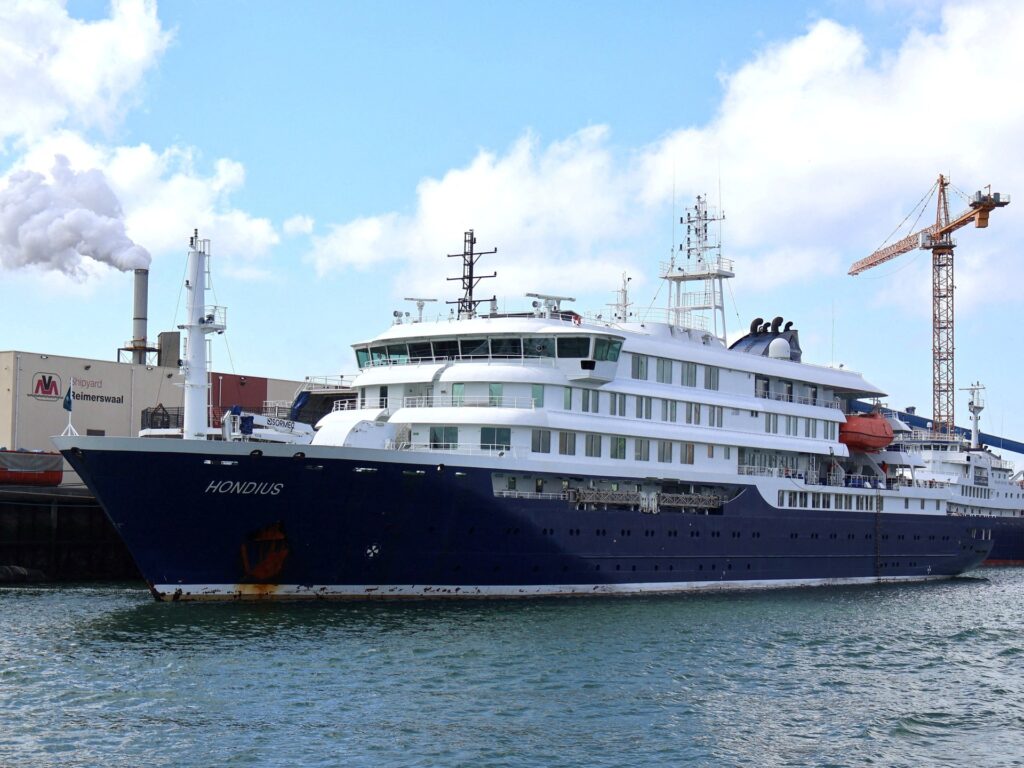
Hantavirus is a group of viruses primarily transmitted to humans through contact with infected rodent urine, droppings, or saliva. This viral infection can cause severe respiratory illnesses and, in some cases, can be fatal. Recently, there have been reports of three suspected deaths linked to hantavirus infections aboard the MV Hondius cruise ship, raising concerns about the spread and impact of this disease.
Hantaviruses are primarily found in rodents such as deer mice, white-footed mice, and cotton rats. Humans typically contract the virus through inhaling air contaminated with the virus from dried rodent excreta or by direct contact with rodents. Human-to-human transmission is extremely rare, which is why widespread outbreaks are uncommon.
The disease manifestation in humans can range from mild symptoms to severe respiratory distress, known as hantavirus pulmonary syndrome (HPS). Early symptoms often include fever, muscle aches, dizziness, and gastrointestinal issues, progressing rapidly to coughing and difficulty breathing. Without timely medical intervention, HPS can lead to respiratory failure and death.
The World Health Organization (WHO) has assessed the risk posed by the suspected outbreak on the MV Hondius. Despite the tragic deaths, the WHO emphasizes that the risk to the general public remains low. This assessment stems from the mode of transmission, as hantaviruses do not spread easily from person to person, and the outbreak appears confined to a limited setting.
Cruise ships can sometimes be high-risk environments for infectious diseases due to close living quarters and shared spaces. However, hantavirus outbreaks on cruise ships are exceedingly rare compared to viruses like norovirus or influenza. In the case of the MV Hondius, investigations are underway to determine the source of the infection, including the possible presence of rodents on board and preventive measures implemented to combat them.
Public health authorities recommend vigilance in controlling rodent populations in both urban and rural environments to prevent hantavirus infections. Proper sanitation, storage of food in rodent-proof containers, and minimizing contact with wild rodents are key preventive strategies.
For travelers, especially those planning to visit areas known for hantavirus presence, awareness and precaution are vital. Avoiding exposure to rodent-infested areas and seeking prompt medical care if symptoms suggestive of hantavirus infection develop can save lives.
In summary, hantavirus is a rare but serious viral infection associated with rodents that can cause severe respiratory illness. The suspected outbreak on the MV Hondius cruise ship has resulted in three deaths, but experts, including the WHO, believe the general public risk is low. Continued investigation and preventive action are essential to manage and mitigate this health issue effectively.